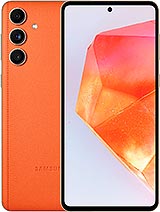
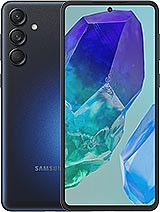
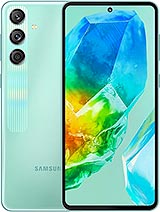
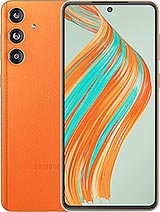
Samsung Galaxy A55
From ₦390,000 to ₦650,000 · 11 sellers·Last checked just now
A solid mid-ranger with all-day battery and an AMOLED screen.
In the Real World
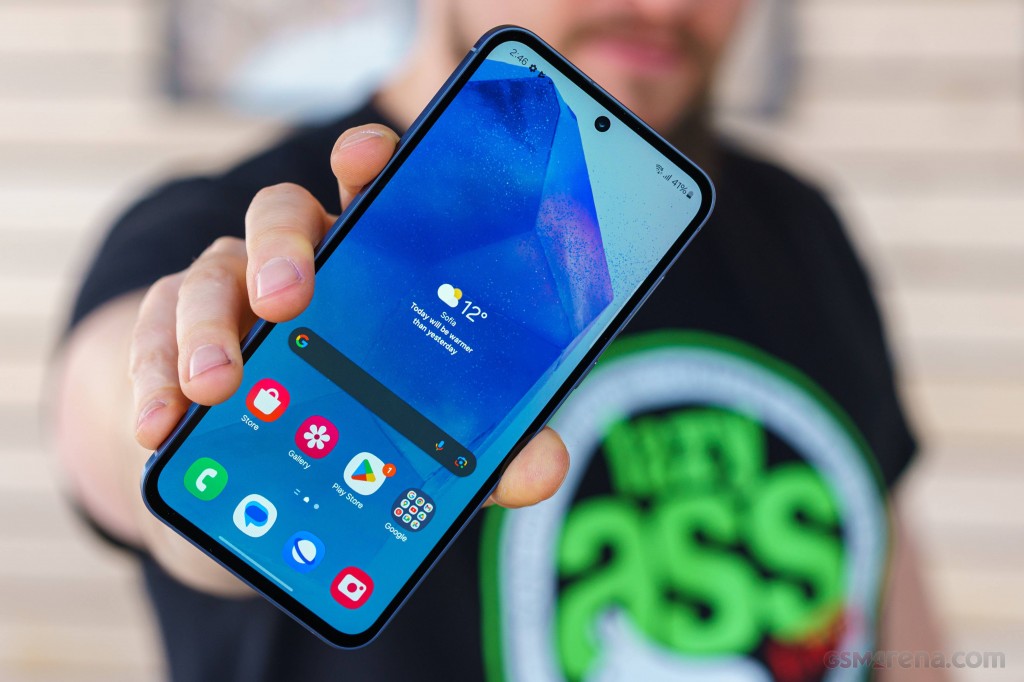
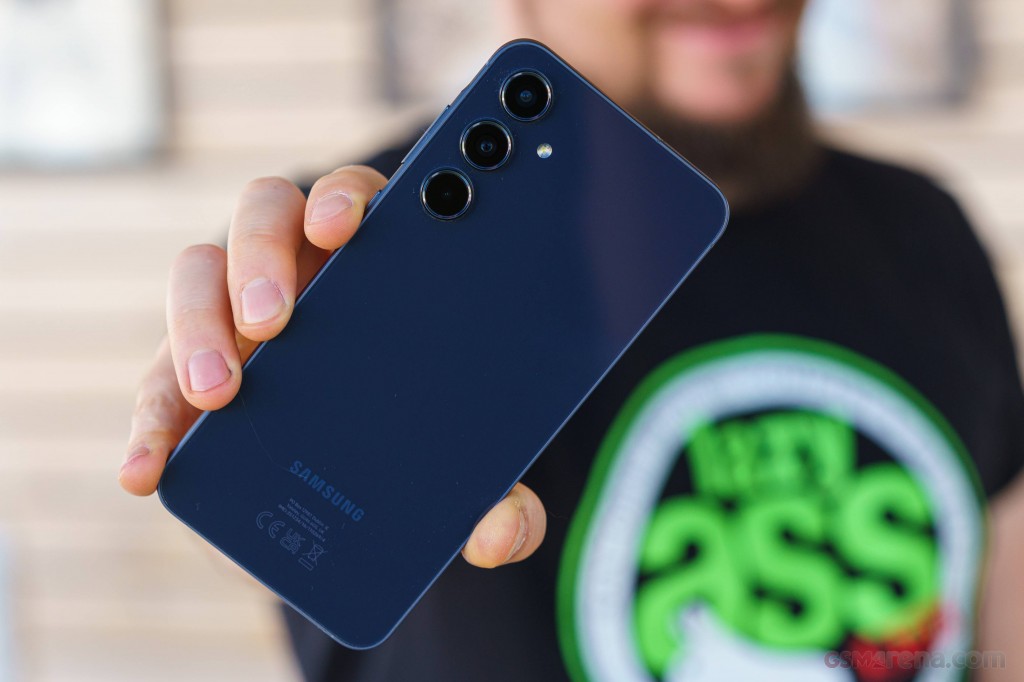
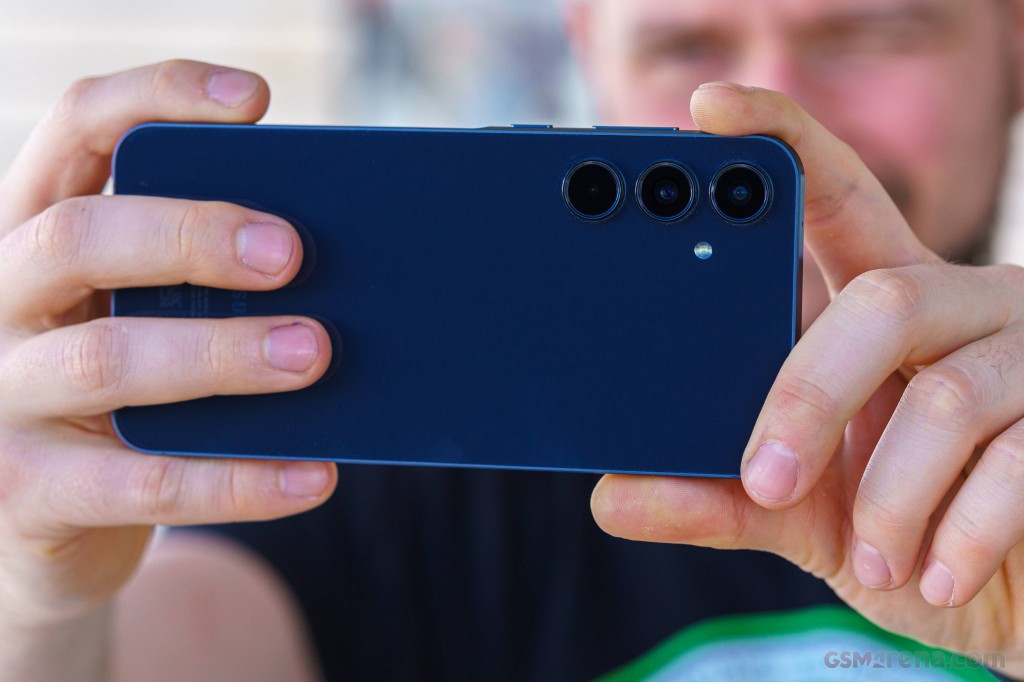
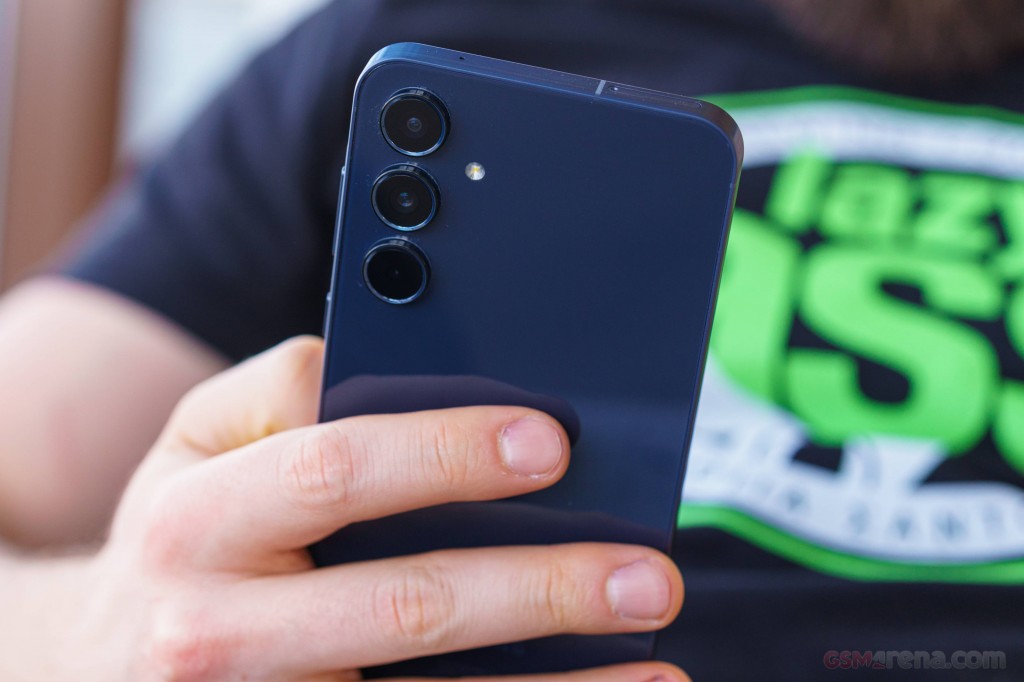
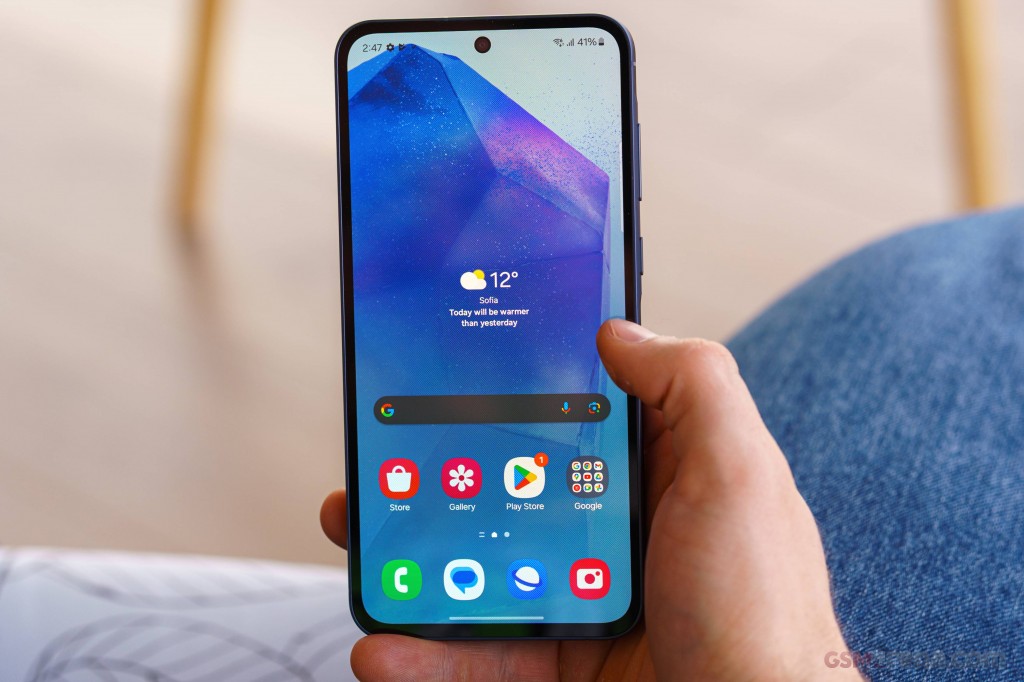
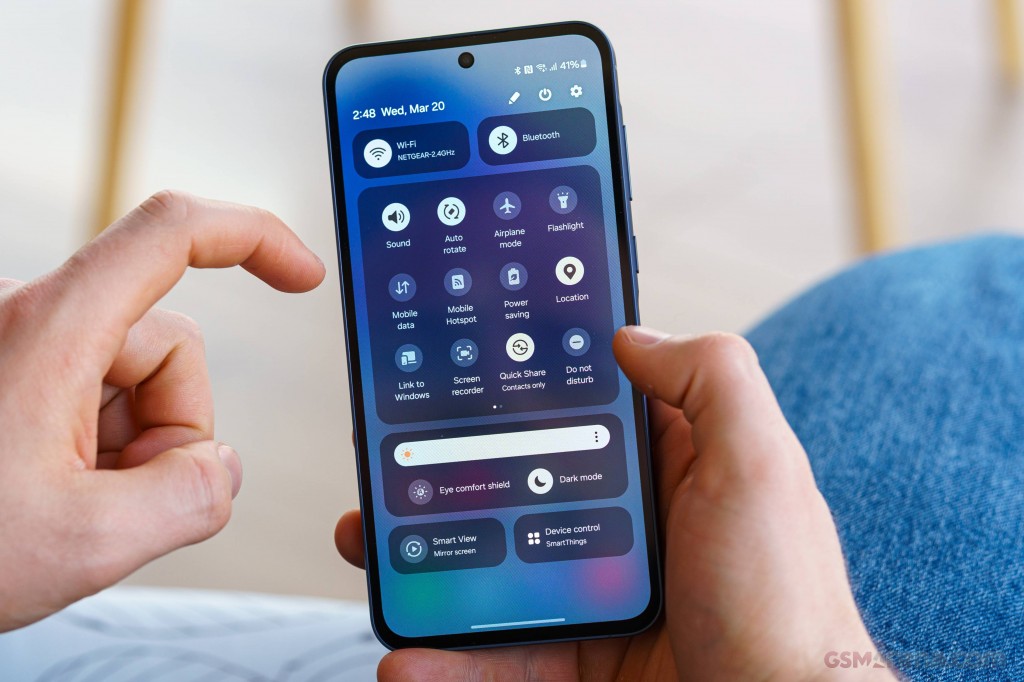
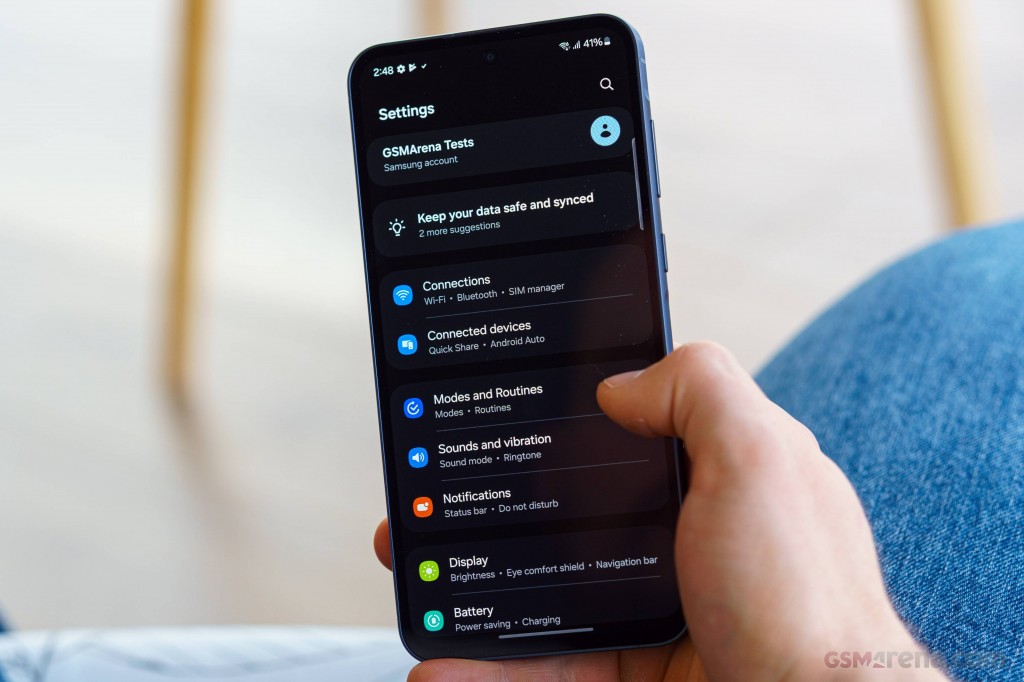
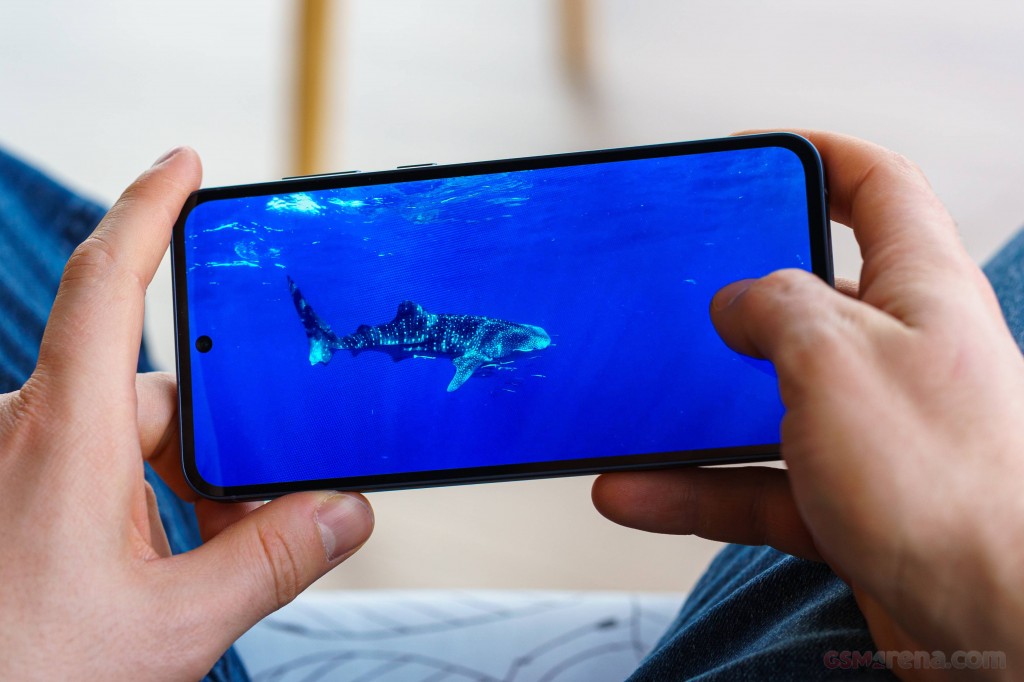
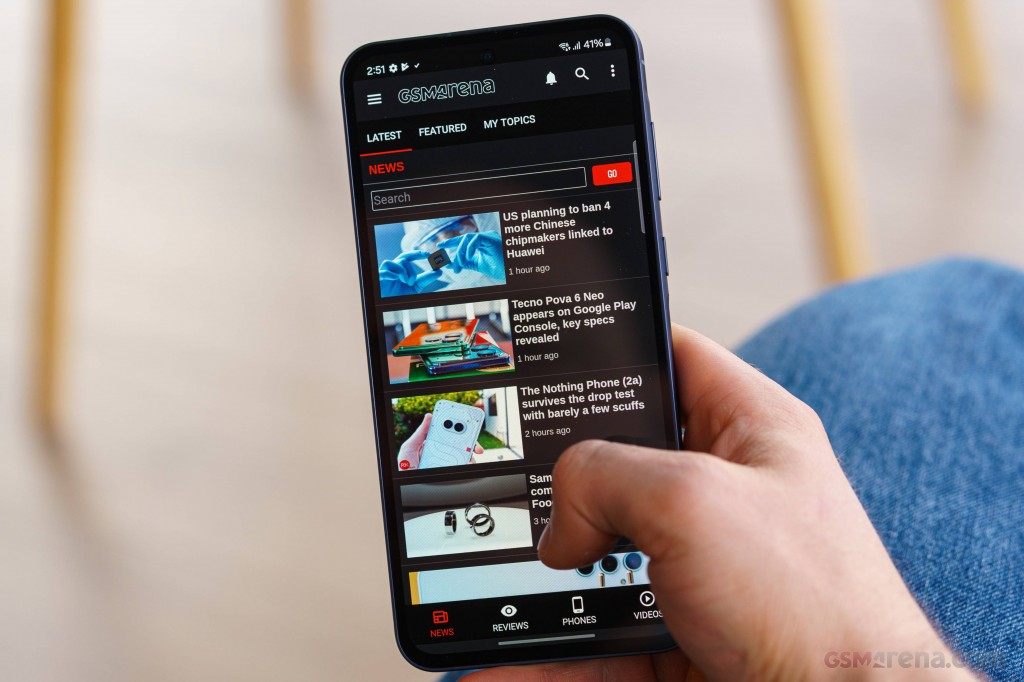
See how the Samsung Galaxy A55 looks and feels in everyday use.
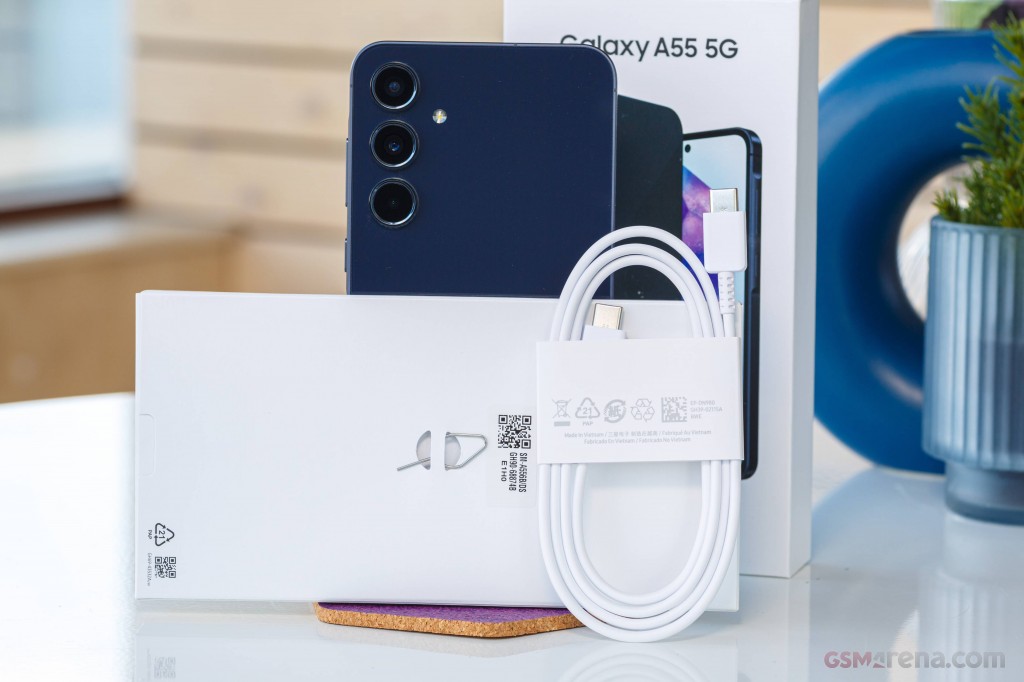
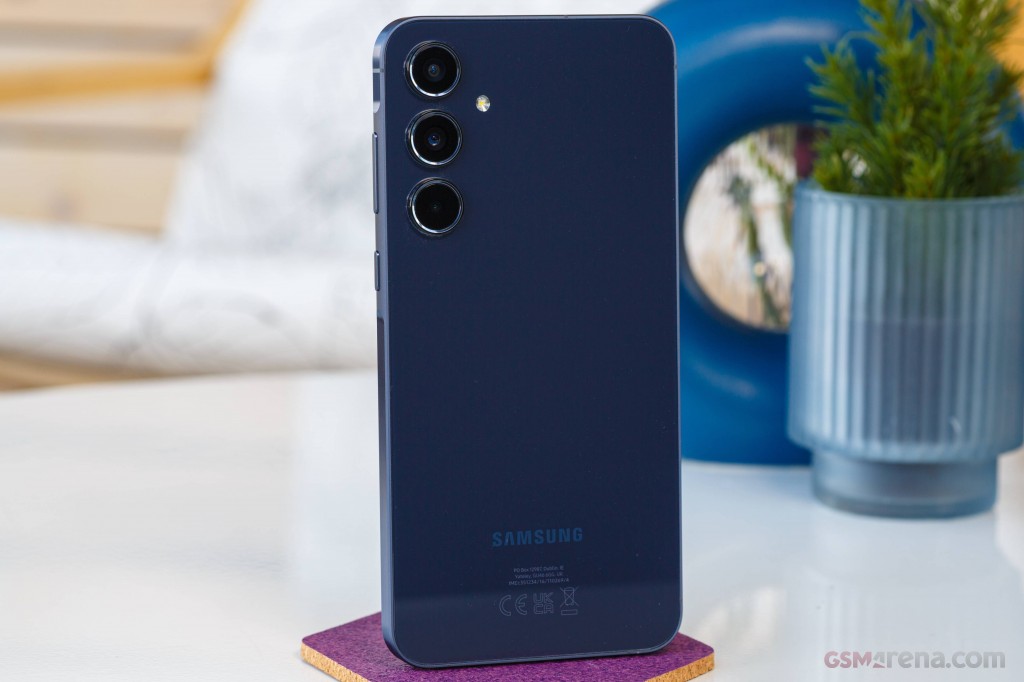
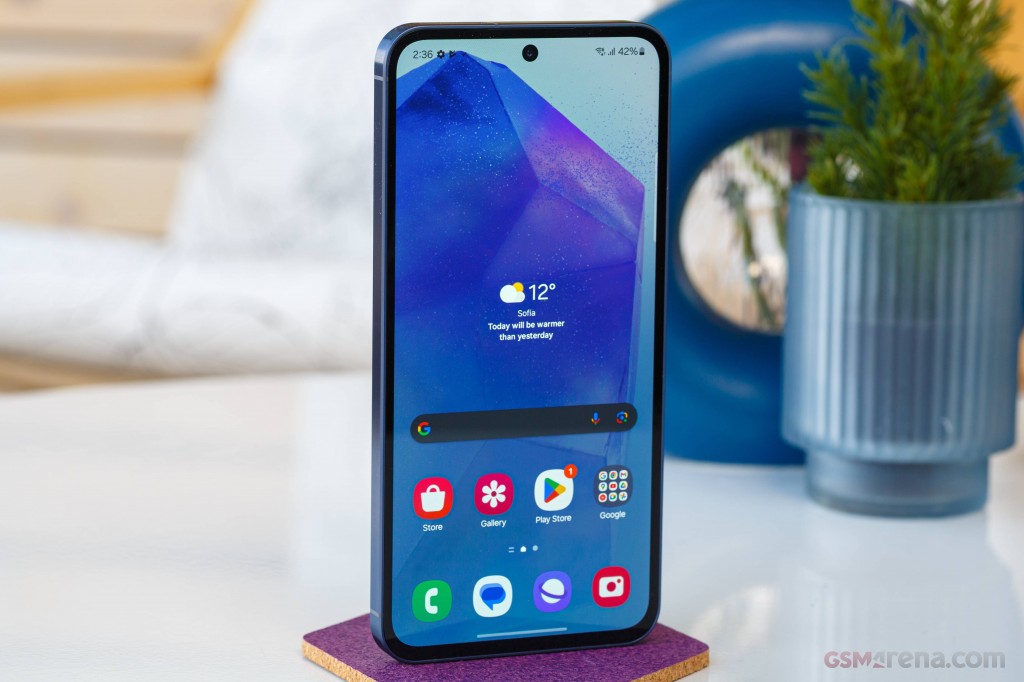


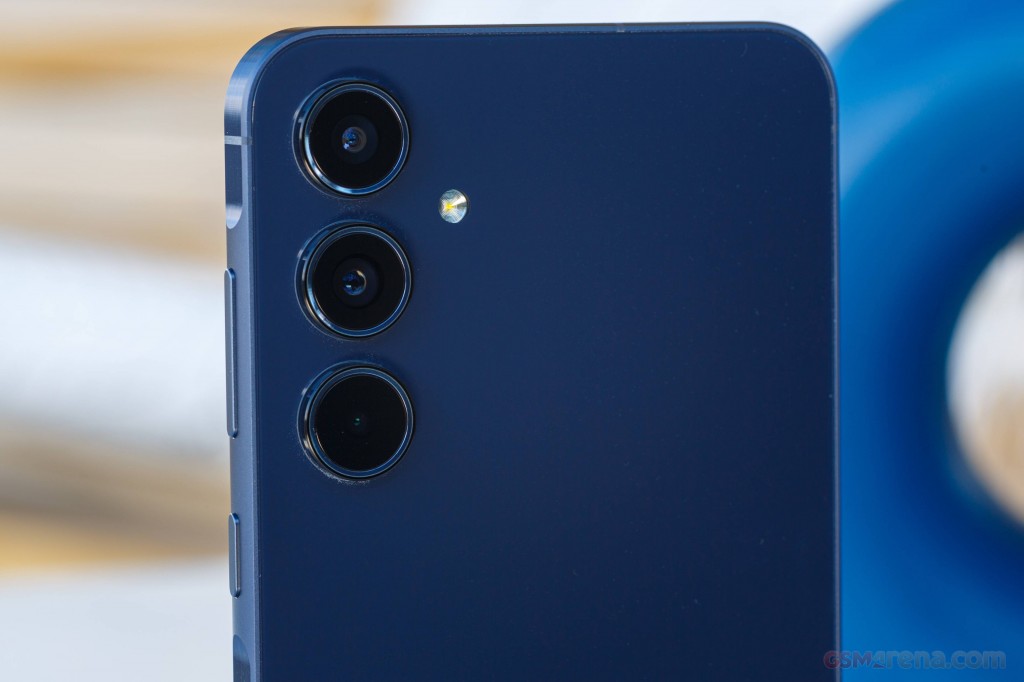




Full specifications
Hi-Res audio, Dolby Atmos for higher-quality listening
25W charging — slower than most at this price (45W typical)
Pro camera extras: RAW, Night mode, AutoFraming, AI camera engine
Display
6.6″ · Super AMOLED · 1080 × 2340 · 120 Hz · HDR
OLED + smooth
Display
6.6″ · Super AMOLED · 1080 × 2340 · 120 Hz · HDR
Performance
Exynos 1480 (4 nm) · 8-core 2.75 GHz · Xclipse 530
Everyday capable
Performance
Exynos 1480 (4 nm) · 8-core 2.75 GHz · Xclipse 530Daily apps and casual games run smoothly — heavy gaming will drop frames.
Camera
50 MP f/1.8 main · OIS · 32 MP selfie · 4K video
OIS + 4K
Camera
50 MP f/1.8 main · OIS · 32 MP selfie · 4K videoStabilised main camera holds up in low light. Front camera is fine for daylight selfies.
Battery
5000 mAh · 25 W wired
All-day
Battery
5000 mAh · 25 W wired
Audio
Very good (-25.7 LUFS) · Stereo · Dolby Atmos · Hi-Res
Stereo speakers
Audio
Very good (-25.7 LUFS) · Stereo · Dolby Atmos · Hi-Res
Connectivity
5G · NFC · Wi-Fi 6
Modern radios
Connectivity
5G · NFC · Wi-Fi 6
Build & Design
213 g · 8.2 mm · IP67
Built to last
Build & Design
213 g · 8.2 mm · IP67
Sensors
Fingerprint (under display, optical) · accelerometer · gyro · compass
Sensors
Fingerprint (under display, optical) · accelerometer · gyro · compassSpecifications sourced from GSMArena · Read full review
Independent Test Scores
Lab-tested scores from DXOMark — independent measurements, not manufacturer claims. Tap any card to view photo samples and the full review.
Scores are on DXOMark's open-ended 0–200 scale. Higher is better.
How it stacks up against the rest.
Quick reads against a few phones in the same price tier. Tap any one for the deep comparison.
Apple iPhone 16
Samsung Galaxy S24
Where to buy
11 sellers·New from ₦470,000 to ₦650,000·Used from ₦390,000
Prices were last checked in April 2026. Always verify on the seller's site before purchasing.
GOT Mobile
JAVANY GLOBAL TECH-COMMS
Emek stanley
chinedu computer nig LTD
RABI'U YANCO COMMUNICATIONS
Casper Gadgets
chinedu computer nig LTD
Seadot Group
SOG SYSTEMS
Vera Egbuka
RABI'U YANCO COMMUNICATIONS
Similar Phones
How each one compares to the Samsung Galaxy A55.