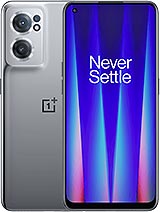
OnePlus 6
From ₦100,000 to ₦165,500 · 5 sellers·Last checked just now
An older flagship with an AMOLED screen and stabilised camera — but a smaller battery and 64GB storage show its age.
In the Real World
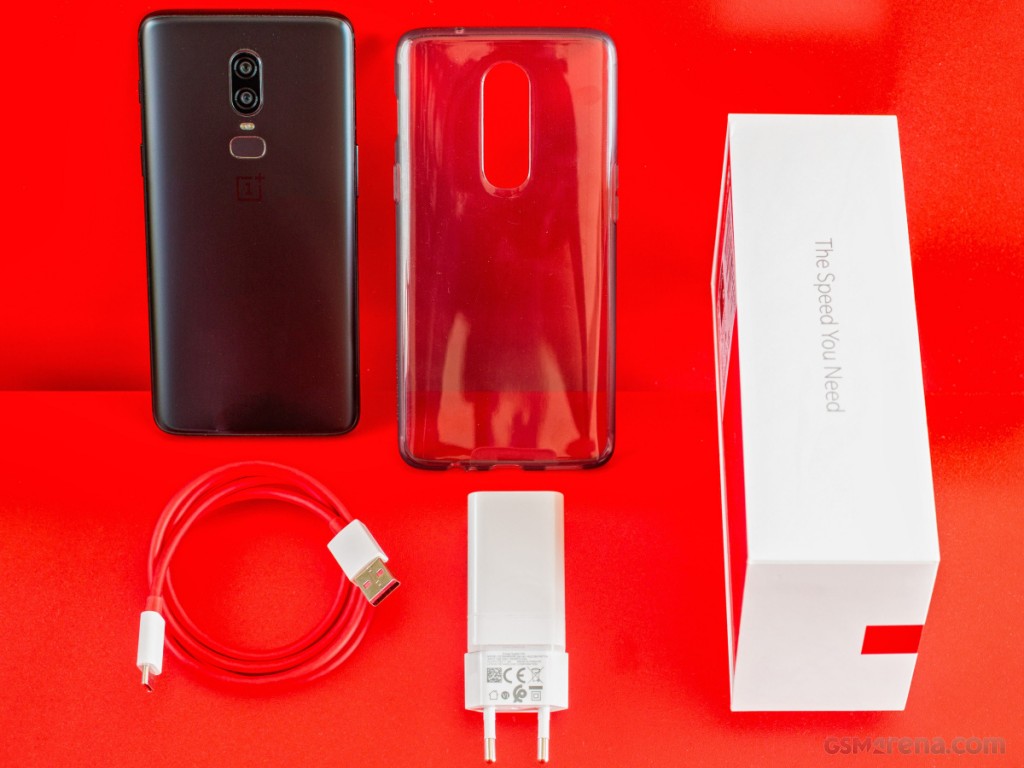
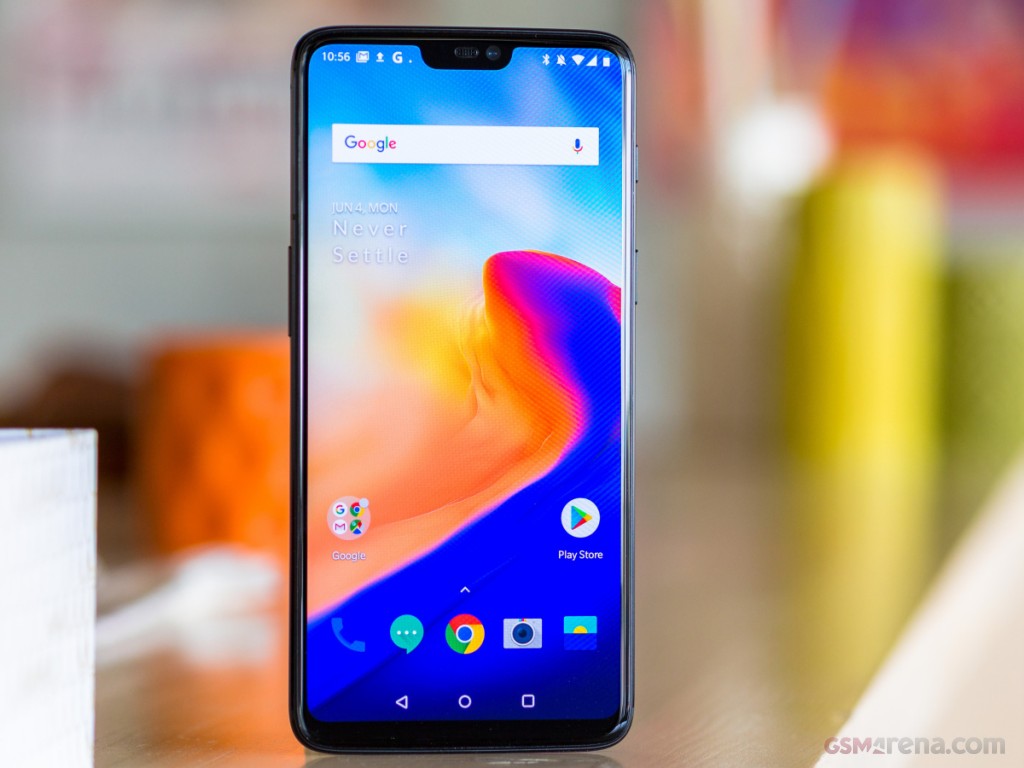
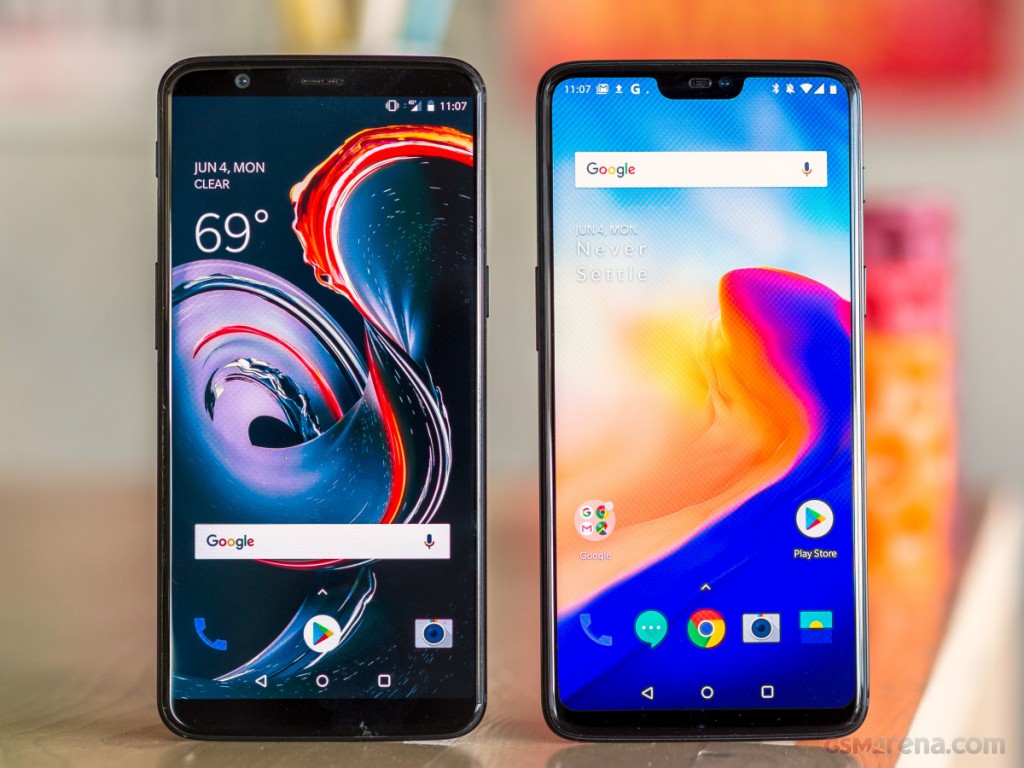
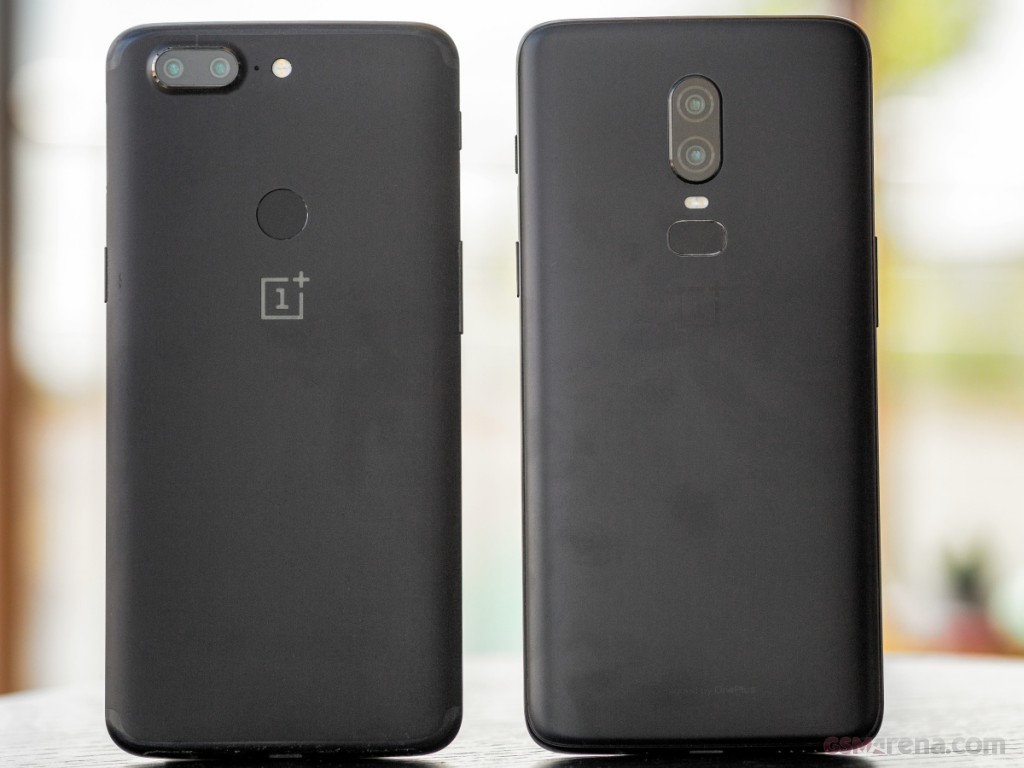
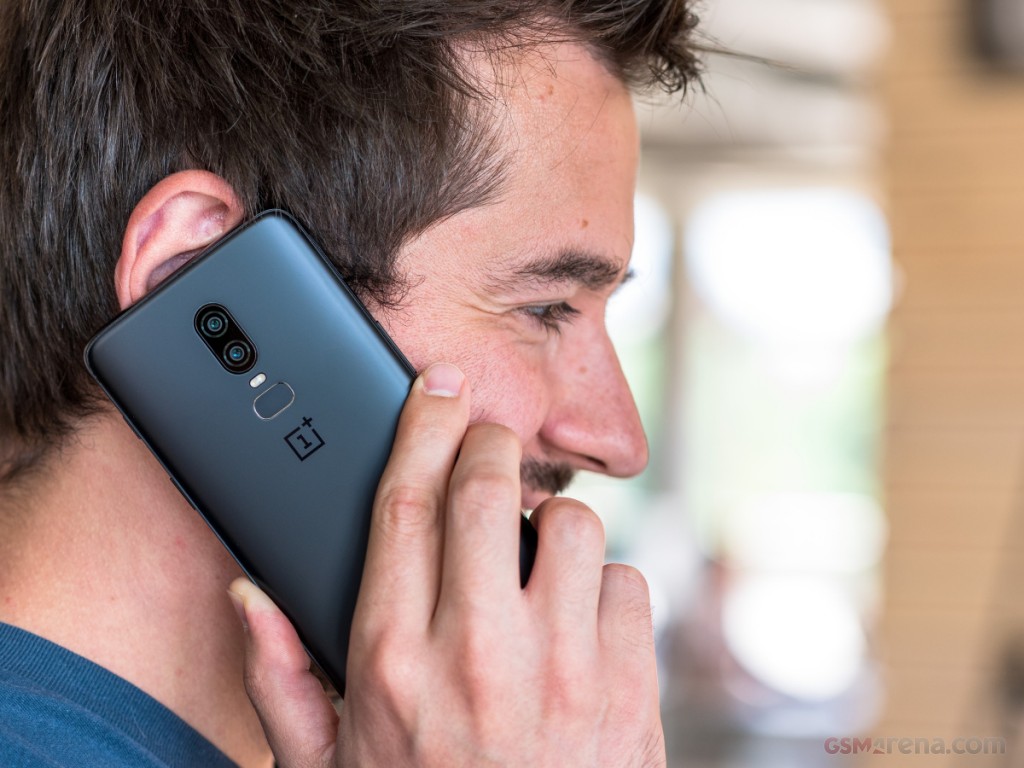
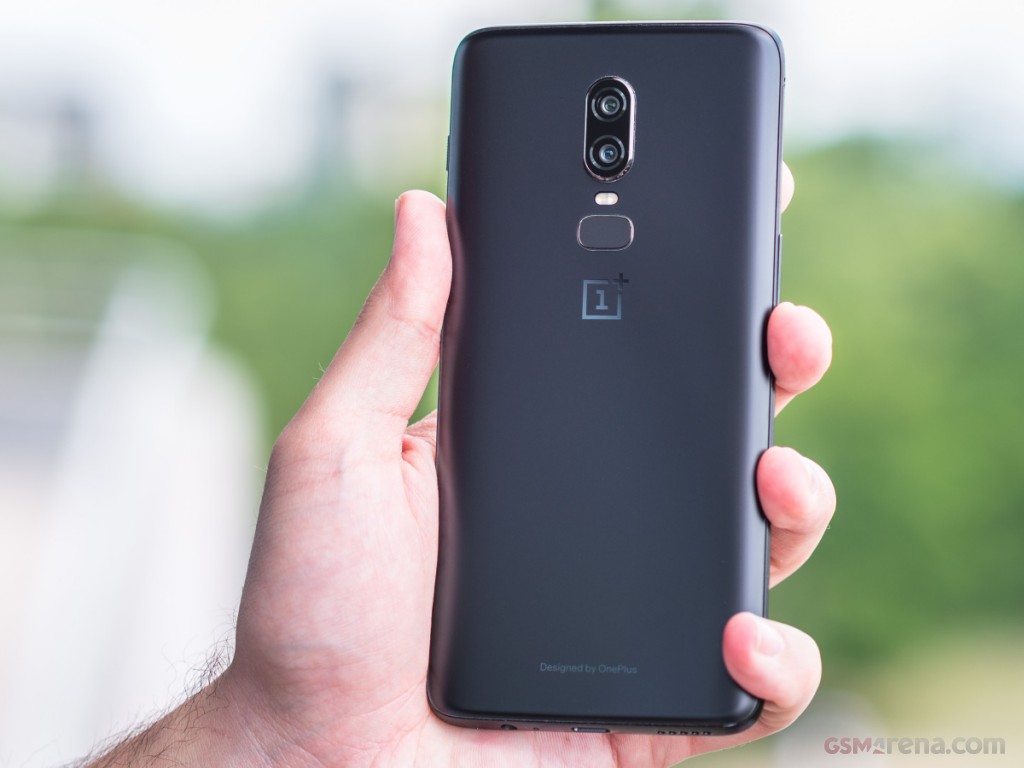
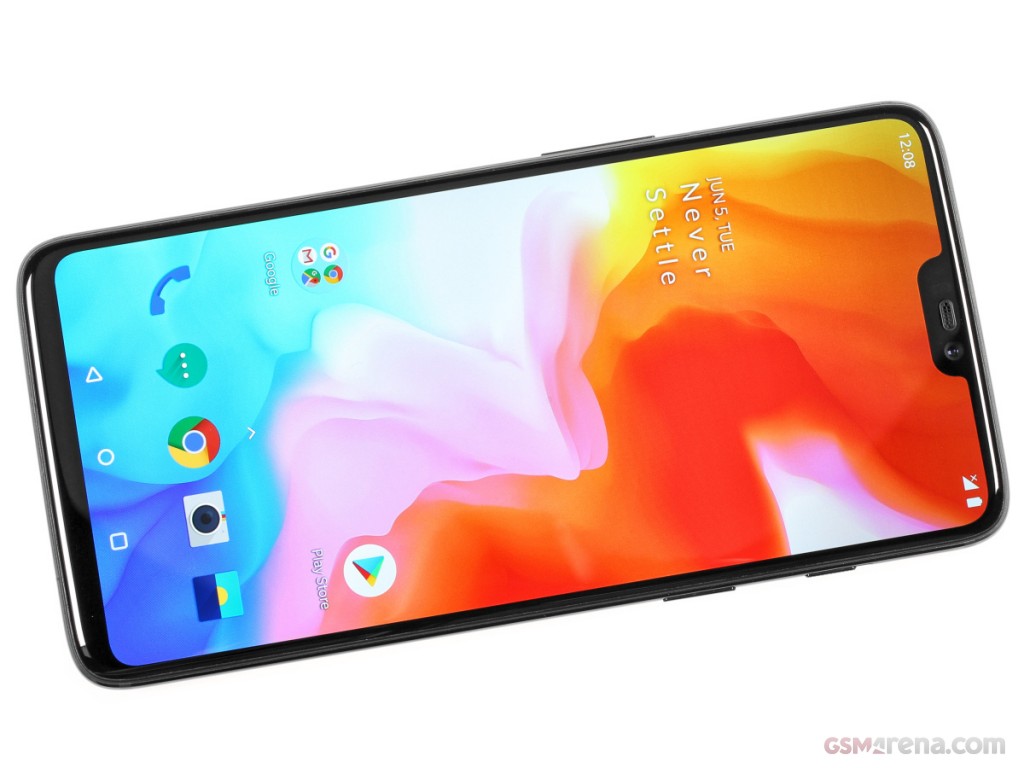
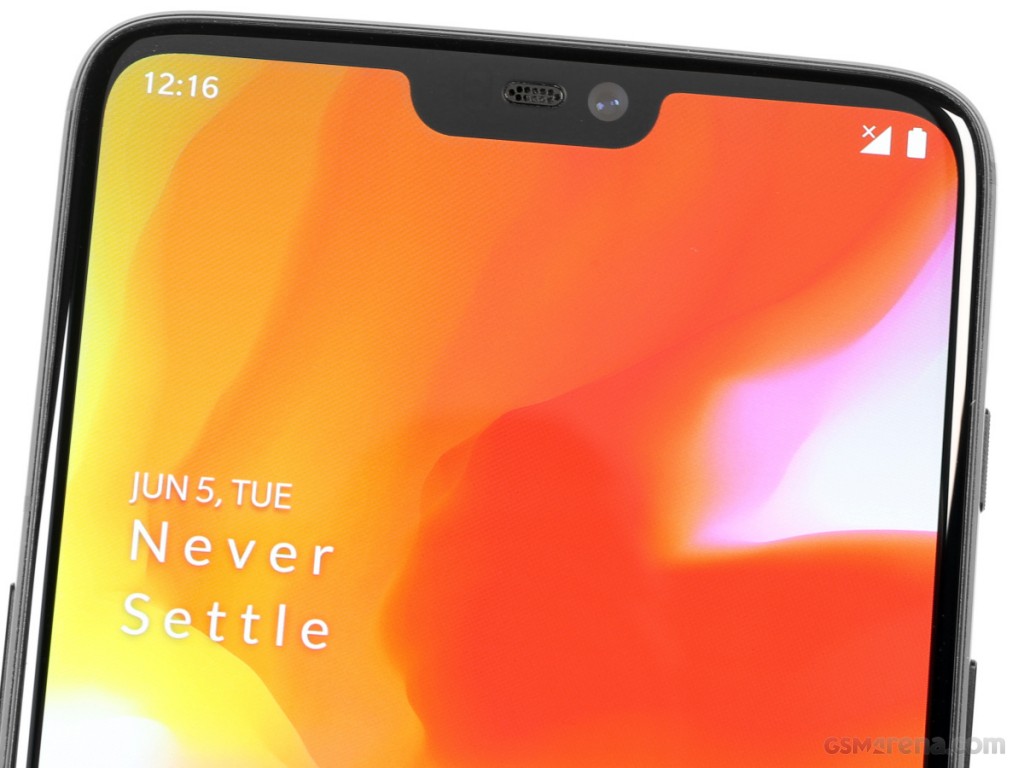
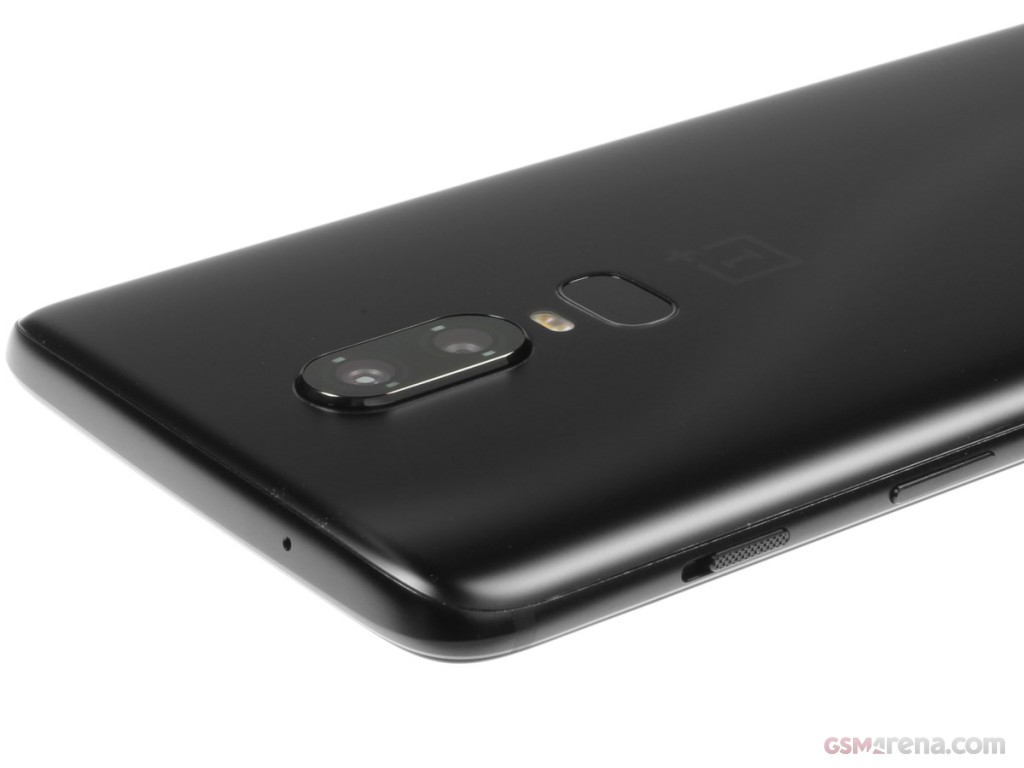
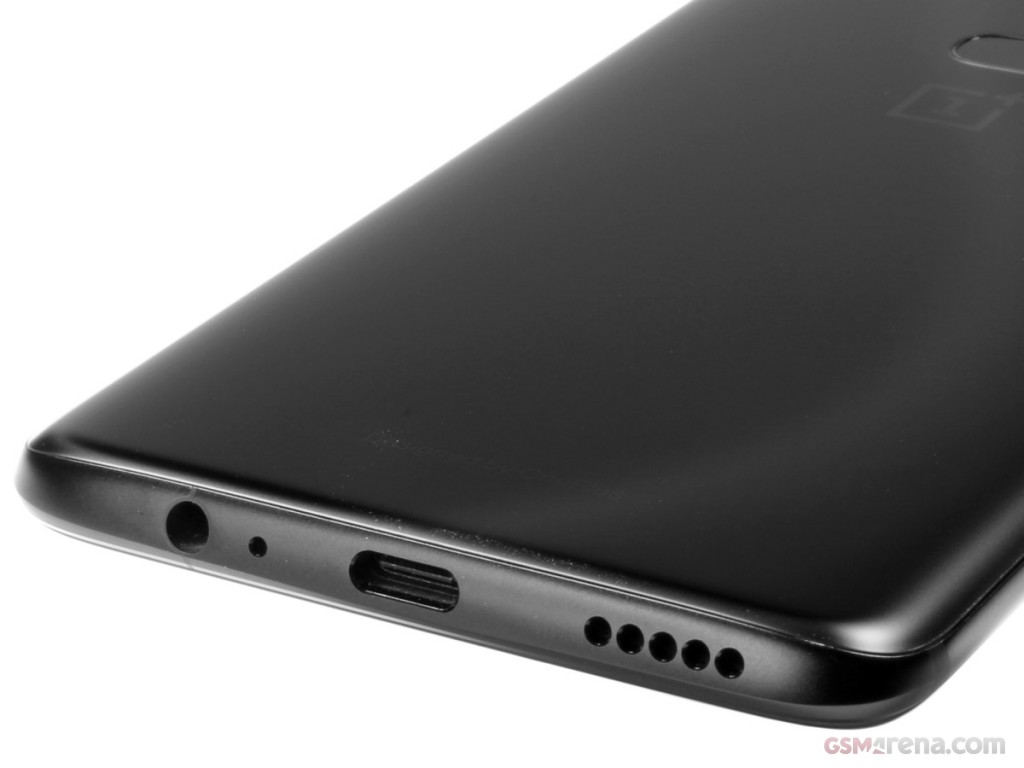
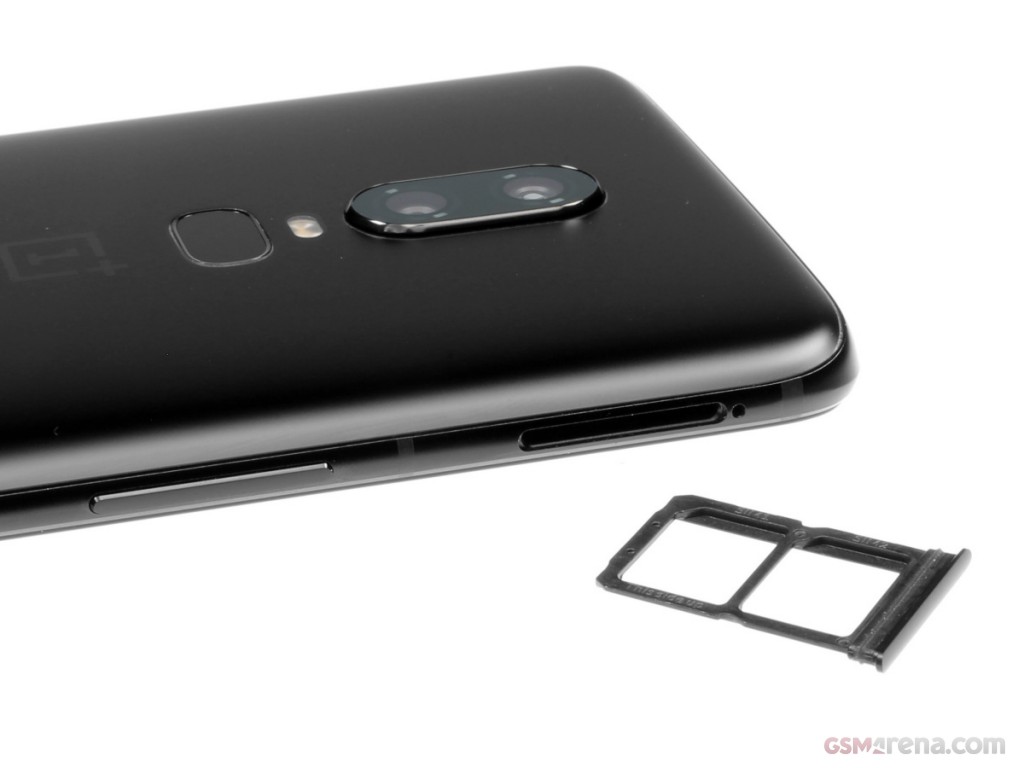
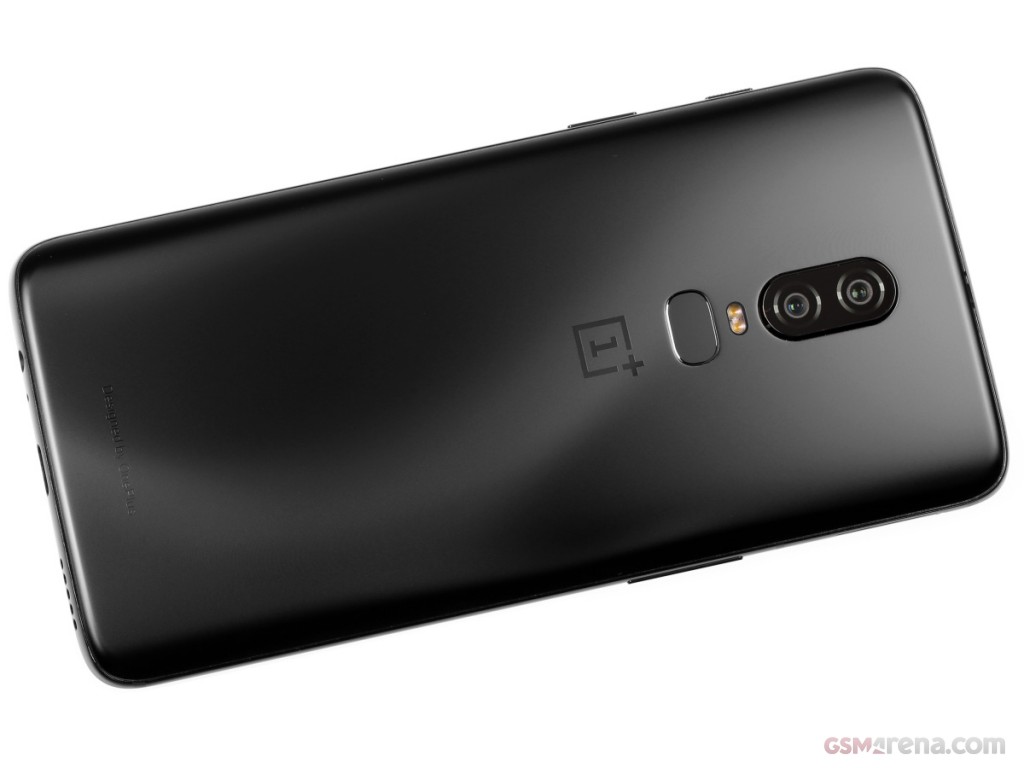
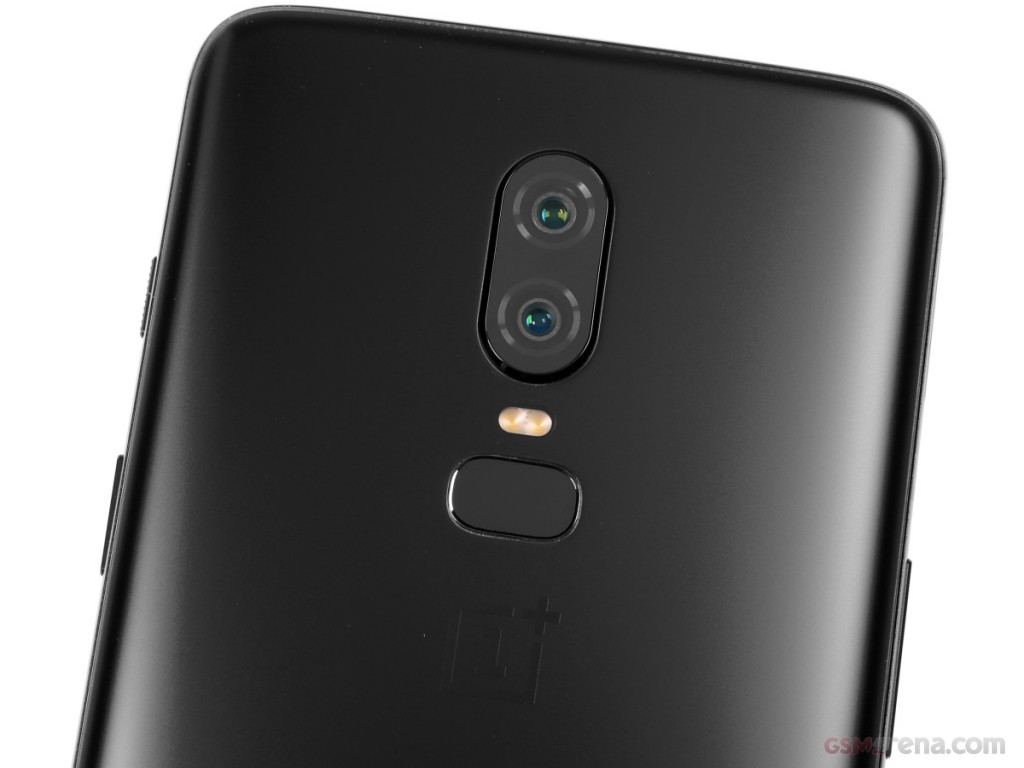
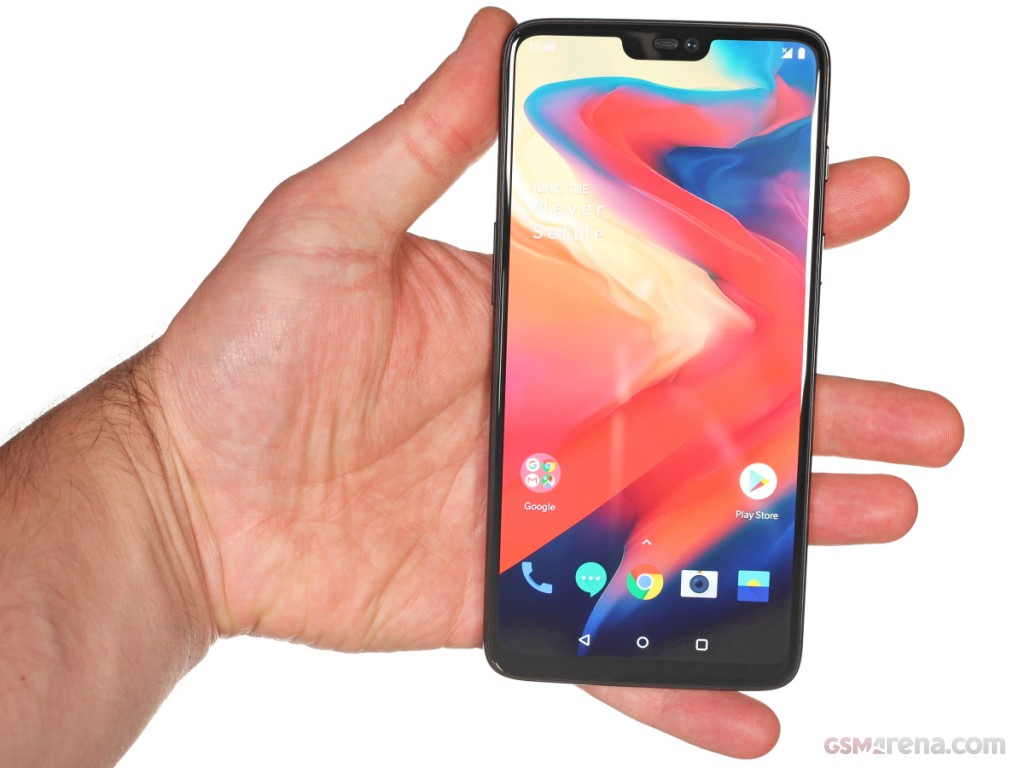
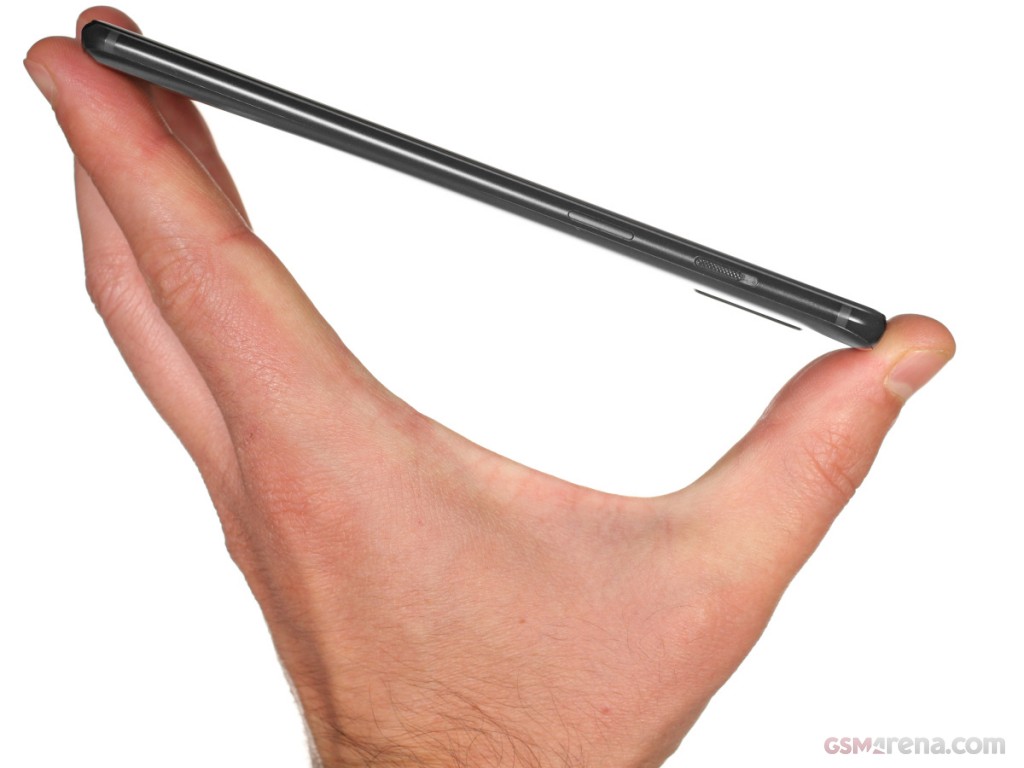
See how the OnePlus 6 looks and feels in everyday use.
Full specifications
Pro camera extras: manual focus
64GB storage — half what rivals offer at this price
480 fps slow motion for action clips
Display
6.28″ · AMOLED · 1080 × 2280 · 60 Hz · HDR
OLED display
Display
6.28″ · AMOLED · 1080 × 2280 · 60 Hz · HDR
Performance
Qualcomm SDM845 Snapdragon 845 (10 nm) · 8-core 2.8 GHz · Adreno 630
Basic CPU
Performance
Qualcomm SDM845 Snapdragon 845 (10 nm) · 8-core 2.8 GHz · Adreno 630Best for messaging, calls, and light browsing. Avoid heavy multitasking.
Camera
16 MP f/1.7 main · OIS · 16 MP selfie · 4K video
OIS + 4K
Camera
16 MP f/1.7 main · OIS · 16 MP selfie · 4K videoStabilised main camera holds up in low light. Front camera is fine for daylight selfies.
Battery
3300 mAh · 20 W wired
Plan to charge daily
Battery
3300 mAh · 20 W wired
Connectivity
4G LTE · NFC · Wi-Fi 5
Connectivity
4G LTE · NFC · Wi-Fi 5
Build & Design
177 g · 7.8 mm
Build & Design
177 g · 7.8 mm
Sensors
Fingerprint (rear-mounted) · accelerometer · gyro · proximity
Sensors
Fingerprint (rear-mounted) · accelerometer · gyro · proximitySpecifications sourced from GSMArena · Read full review
Independent Test Scores
Lab-tested scores from DXOMark — independent measurements, not manufacturer claims. Tap any card to view photo samples and the full review.
Scores are on DXOMark's open-ended 0–200 scale. Higher is better.
How it stacks up against the rest.
Quick reads against a few phones in the same price tier. Tap any one for the deep comparison.
Apple iPhone XS
Samsung Galaxy S9
Where to buy
5 sellers·Used from ₦100,000
Prices were last checked in April 2026. Always verify on the seller's site before purchasing.
D.E.T services
Lugas Hub
Lugas Mobile Ltd
Lugas Hub
Lugas Mobile Ltd
Similar Phones
How each one compares to the OnePlus 6.