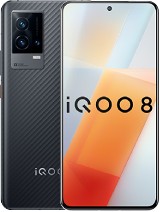
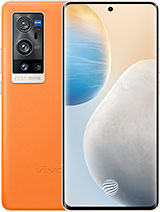
Upper mid-range · 2021

vivo iQOO 7

Our Take CPU benches near recent upper-mid phones like the Google Pixel 7 Pro

A well-rounded upper mid-ranger with 120W fast charging and an AMOLED screen — but a smaller battery shows its age.

Best for Gaming · streaming · camera work
Strength 120W fast charging, AMOLED screen
Watch out Smaller battery (4000mAh)
Compare

In the Real World

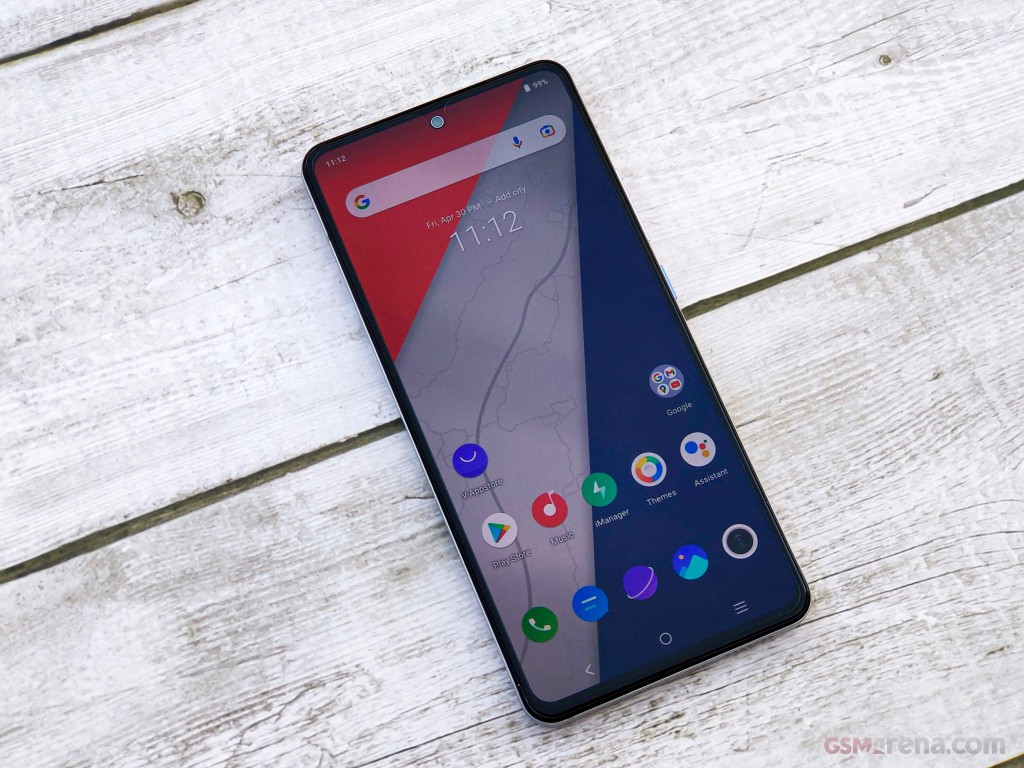
See how the vivo iQOO 7 looks and feels in everyday use.

vivo iQOO 7 hands-on photo 1
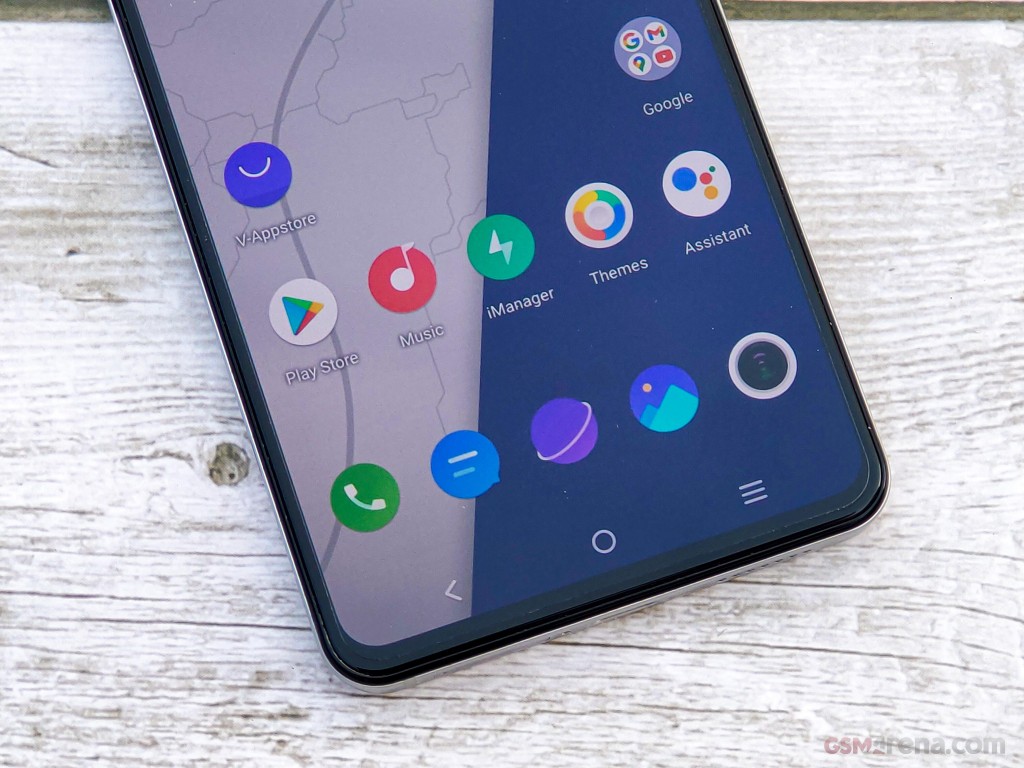
vivo iQOO 7 hands-on photo 2
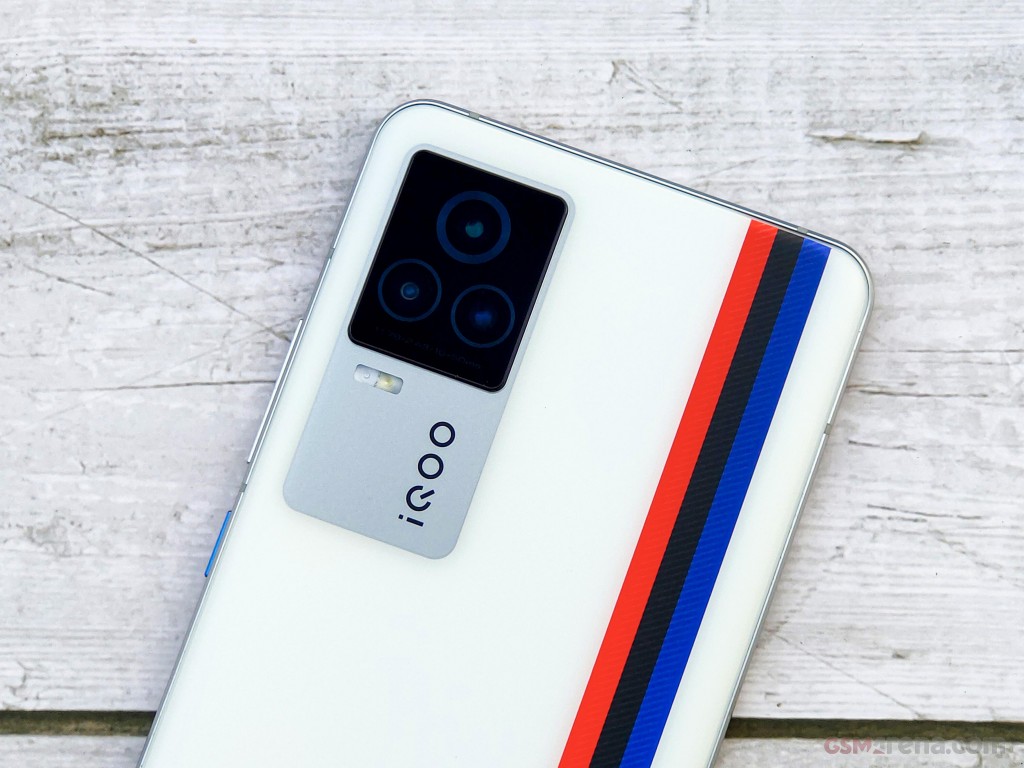
vivo iQOO 7 hands-on photo 3
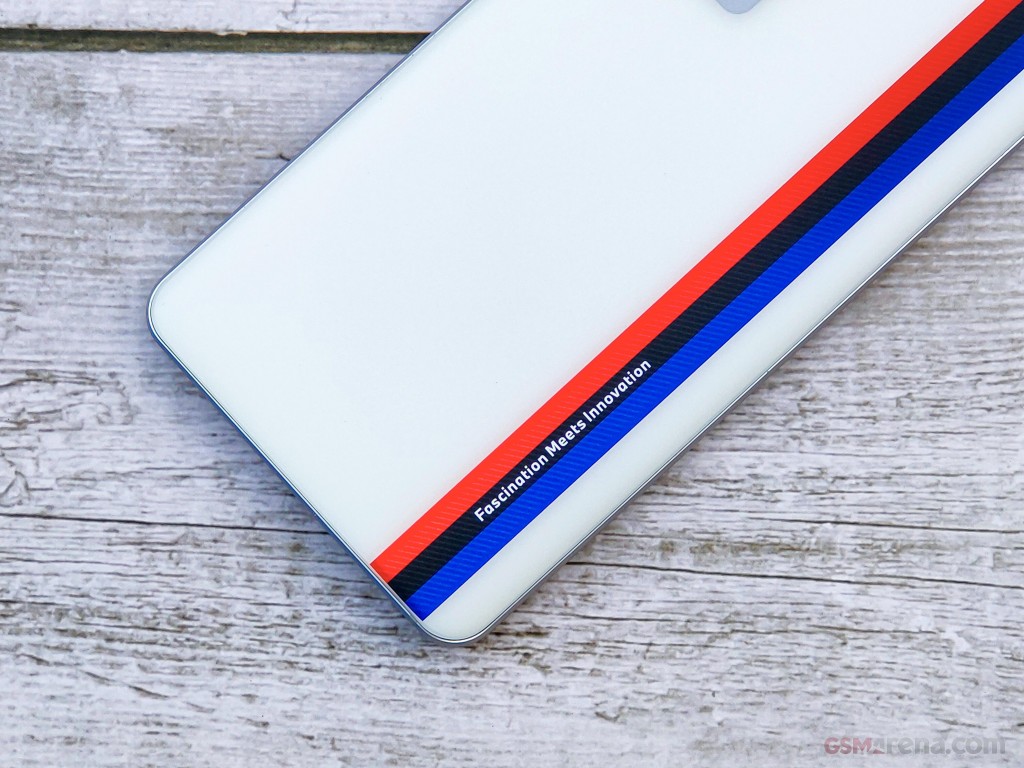
vivo iQOO 7 hands-on photo 4
vivo iQOO 7 hands-on photo 5
vivo iQOO 7 hands-on photo 6
vivo iQOO 7 hands-on photo 7
vivo iQOO 7 hands-on photo 8
vivo iQOO 7 hands-on photo 9
vivo iQOO 7 hands-on photo 10
vivo iQOO 7 hands-on photo 11
vivo iQOO 7 hands-on photo 12
vivo iQOO 7 hands-on photo 13
vivo iQOO 7 hands-on photo 14
vivo iQOO 7 hands-on photo 15

Full specifications

What stands out

Hi-Res audio for higher-quality listening

Pro camera extras: optical zoom, RAW, Night mode, laser AF, manual focus

240 fps slow motion for action clips

Display

6.62″ · AMOLED · 1080 × 2400 · 120 Hz · HDR
OLED + smooth

A clean OLED panel — colours pop and sunlight visibility is solid.

Screen size
6.62"
Panel type
AMOLED
OLED
Resolution
1080 × 2400 px
Refresh rate
120 Hz
Smooth
Brightness
1300 nits
HDR
Supported

Performance

Qualcomm SM8350 Snapdragon 888 5G (5 nm) · 8-core 2.84 GHz · Adreno 660
Everyday capable

Daily apps and casual games run smoothly — heavy gaming will drop frames.

Chipset
Qualcomm SM8350 Snapdragon 888 5G (5 nm)
Current CPU tier
Upper mid-range
AnTuTu
953,019
v10
CPU
8-core, 2.84 GHz
GPU
Adreno 660
Process
5 nm
RAM type
RAM LPDDR5
Storage type
UFS Storage 3.1
CPU layout
1x Cortex X1 2.84GHz + 3x Cortex A78 2.42GHz + 4x Cortex A55 1.8GHz

Camera

48 MP f/1.8 main · OIS · 16 MP selfie · 4K video
OIS + 4K

Stabilised main camera holds up in low light. Front camera is fine for daylight selfies.

Main camera
48 MP f/1.8
OIS
Telephoto
13 MP f/2.5
Ultrawide
13 MP f/2.2
Front camera
16 MP f/2.0
Main sensor
Sony IMX598, 1/2", 0.8µm
Slow motion
Yes, 240 fps
Camera extras
optical zoom, RAW, Night mode, laser AF, manual focus
Video
4K @ 60 fps
4K video

Battery

4000 mAh · 120 W wired

Battery is average for the class — fine for daily use.

Capacity
4000 mAh
Wired charging
120 W
Fast
Removable
No

Audio

Stereo · Hi-Res
Stereo speakers
Speakers
Stereo
Stereo
Hi-Res audio
Supported
Audio features
Hi-Res audio
Microphones
2

Memory

8 GB RAM · 128 GB
RAM
8 GB
Storage
128 GB
Storage type
UFS 3.1
Expandable
No

Connectivity

5G · NFC · Wi-Fi 5
5G
Yes
4G LTE
Yes
NFC
Yes
Contactless
Wi-Fi
Wi-Fi 5
Bluetooth
5.2
GPS systems
GPS, A-GPS, GLONASS, Beidou, Galileo, GPS (L1+L5), GLONASS (L1), BeiDou (B1), Galileo (E1+E5a)
USB
USB-C
USB OTG
Supported
3.5mm jack
No
IR blaster
No
SIM
1× Nano-SIM

Build & Design

5 g · 8.7 mm
Height
162.2 mm
Width
75.8 mm
Thickness
8.7 mm
Weight
5 g

Sensors

Fingerprint (under display, optical) · accelerometer · gyro · proximity
Sensors
Fingerprint (under display, optical), accelerometer, gyro, proximity, compass

Specifications sourced from GSMArena · Read full review

How it stacks up against the rest.

Quick reads against a few phones in the same price tier. Tap any one for the deep comparison.

vs

Apple iPhone 13

Trades blows 3 wins 2 losses
Smoother display
120 Hz vs 60 Hz refresh · 6.62″ vs 6.1″ screen · Tradeoff: 1080 × 2400 vs 1170 × 2532 resolution
Higher-res main camera
48 MP vs 12 MP main · 16 MP vs 12 MP selfie
23% larger battery capacity
120 W vs 15 W charging · 4,000 mAh vs 3,240 mAh battery
Lower benchmark score
953k vs 1.3M AnTuTu · Upper mid-range vs High-end tier
Less protected
None vs IP68 protection
vs

Samsung Galaxy S21 5G

Trades blows 1 win 2 losses
Faster charging
120 W vs 25 W charging
Weaker display tech
AMOLED vs Dynamic AMOLED panel · Tradeoff: 6.62″ vs 6.2″ screen
Less protected
None vs IP68 protection

Where to buy

We don't have any listings for this phone yet. Try searching on Konga or Jiji.