Entry-level · 2019

Samsung Galaxy M30s

Our Take CPU benches near recent entry-level phones like the Samsung Galaxy A13 (SM-A137)

A basic entry-level phone with all-day battery and an AMOLED screen — but slow 15W charging and 64GB storage show its age.

Best for Streaming · social · long days out
Strength All-day battery (6000mAh), AMOLED screen
Watch out 15W charging (slow), 64GB storage
Skip if Heavy gaming or multitasking
Compare

In the Real World

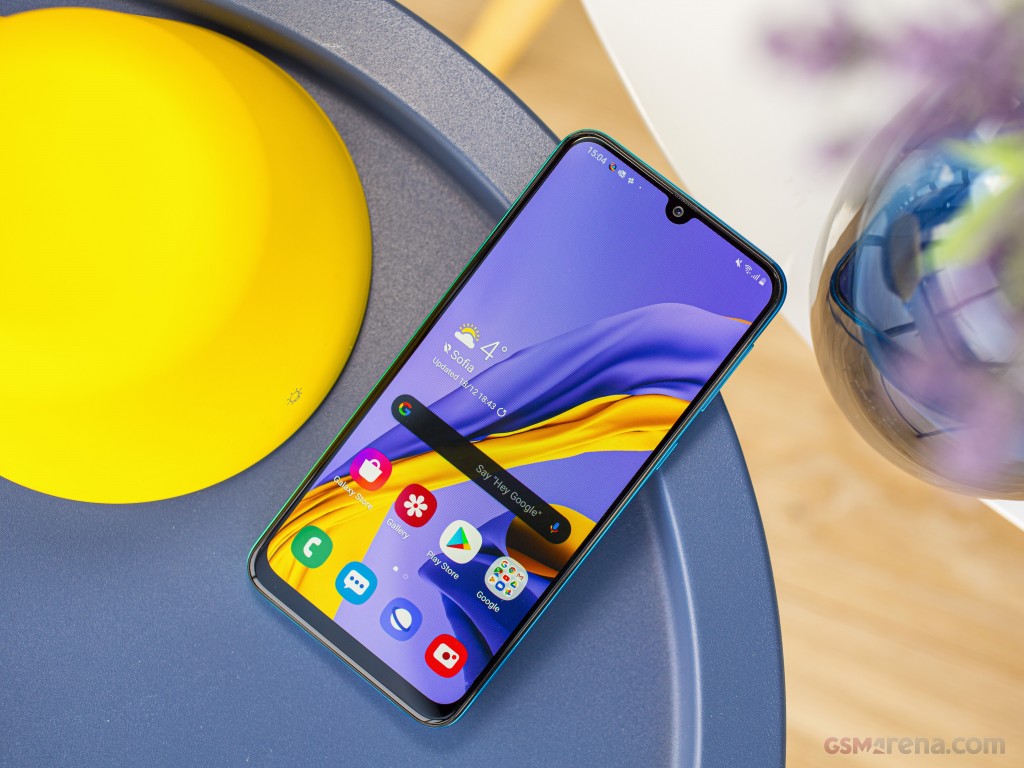
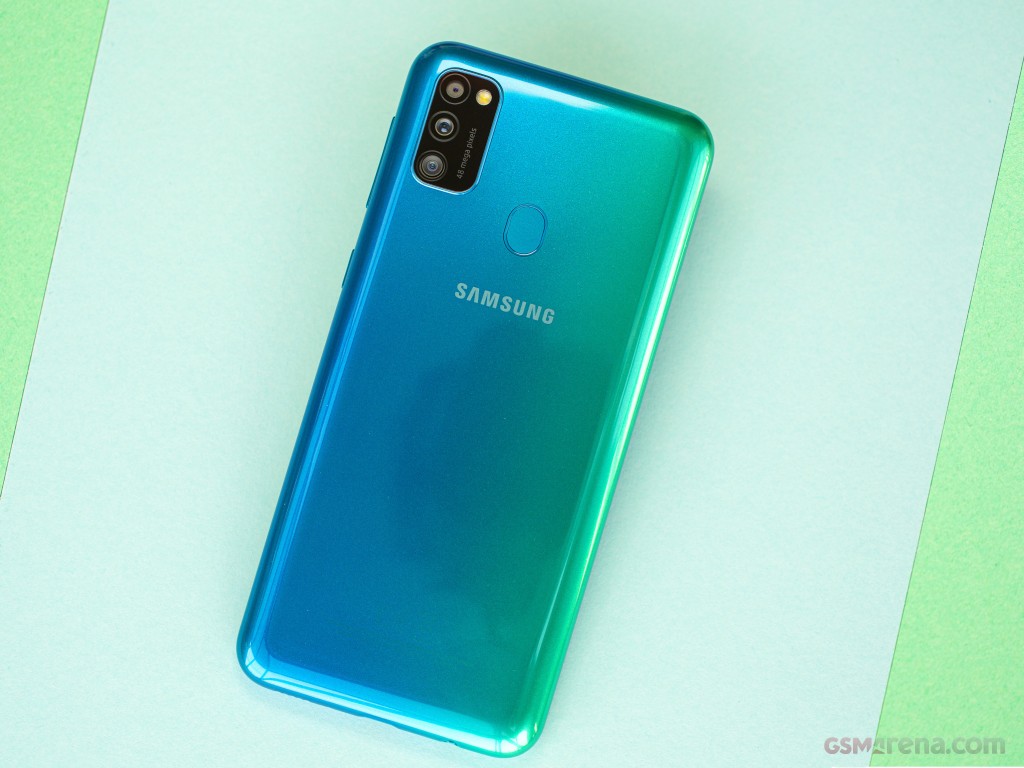
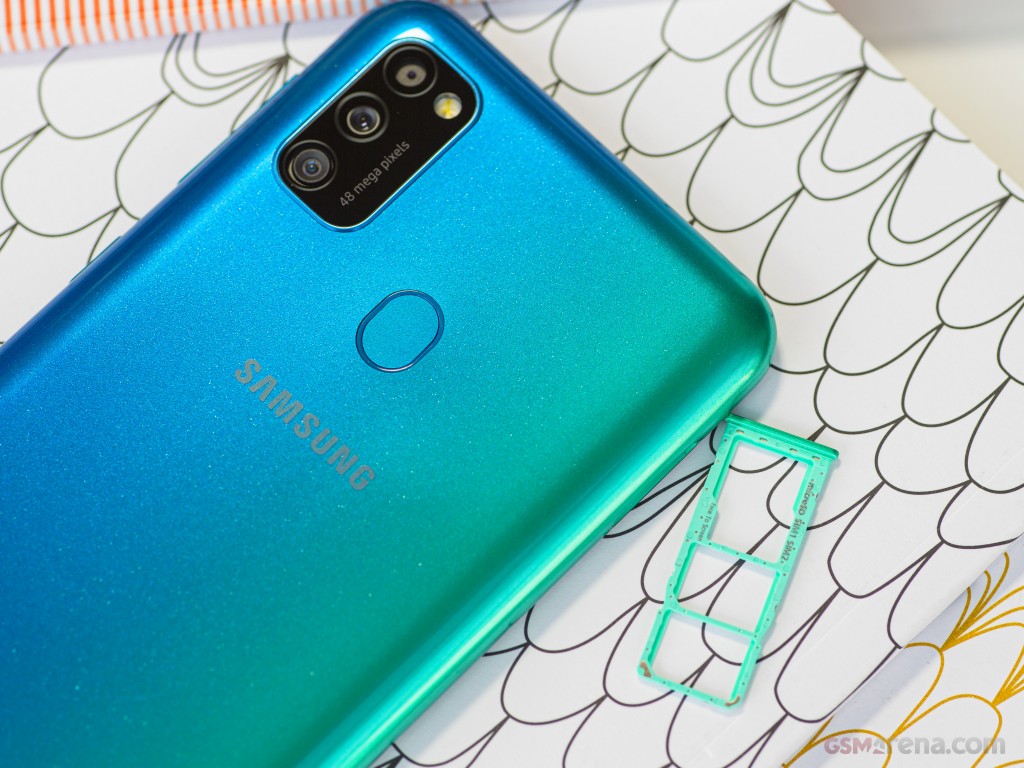
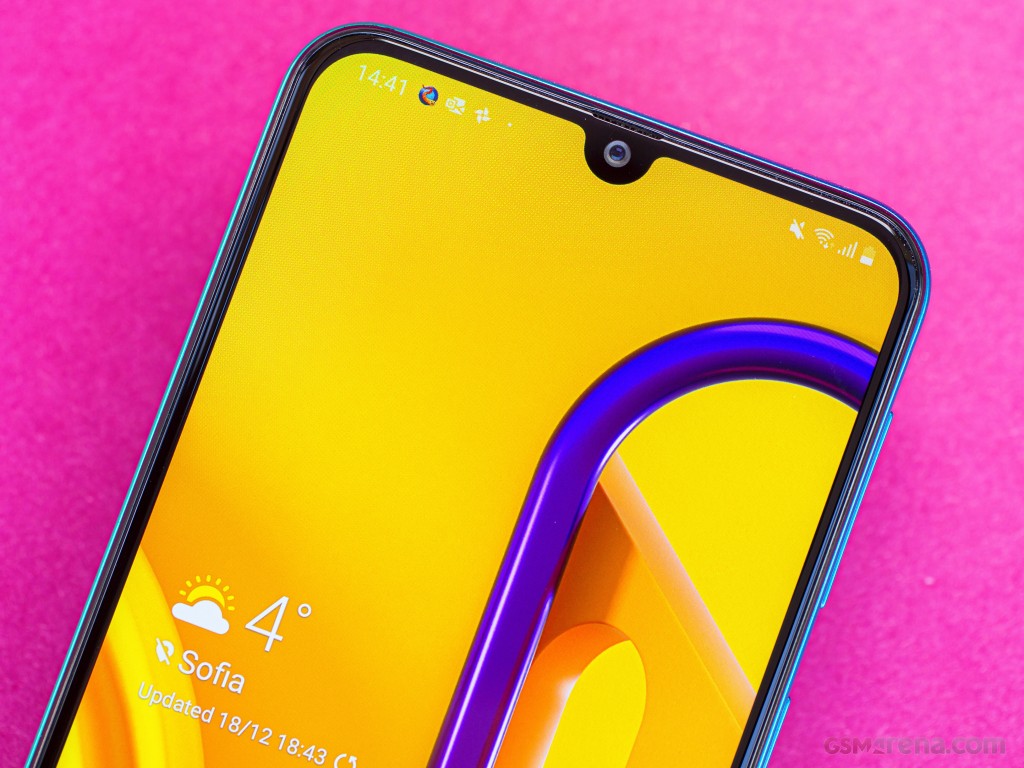
See how the Samsung Galaxy M30s looks and feels in everyday use.
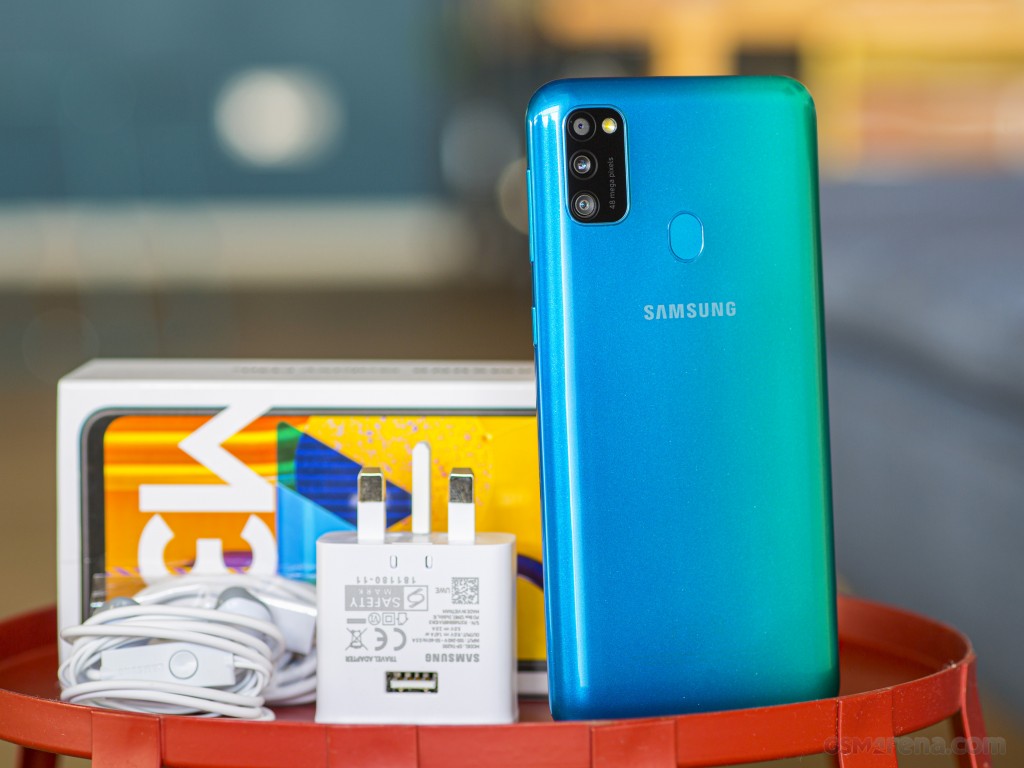
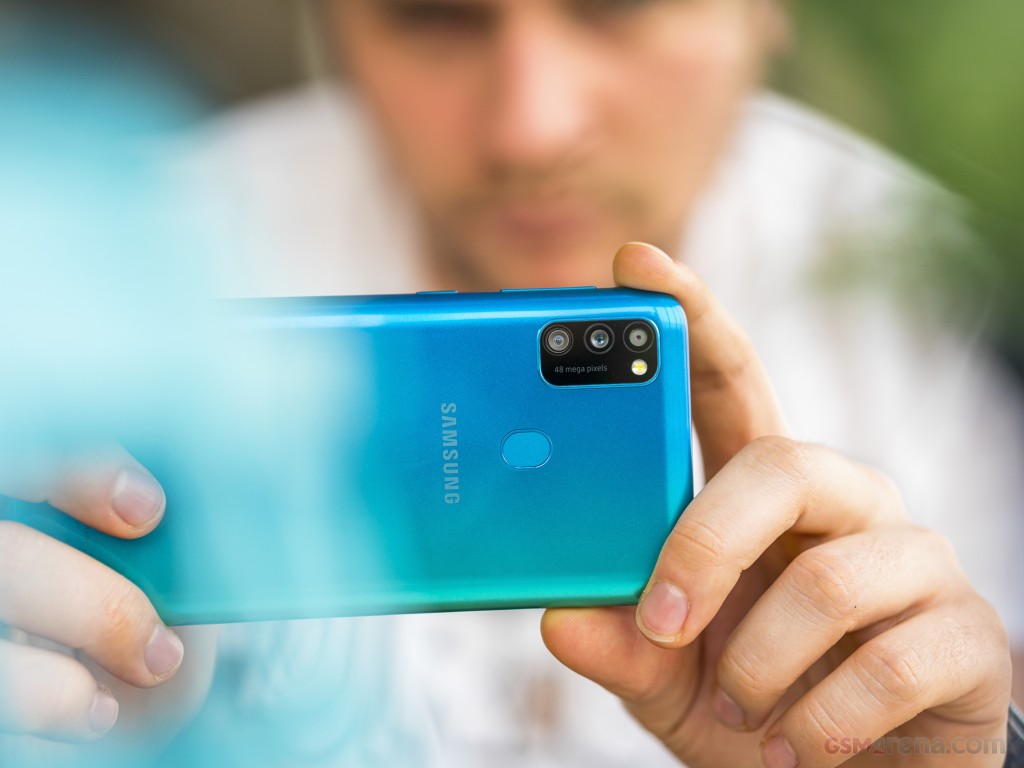
Samsung Galaxy M30s hands-on photo 1
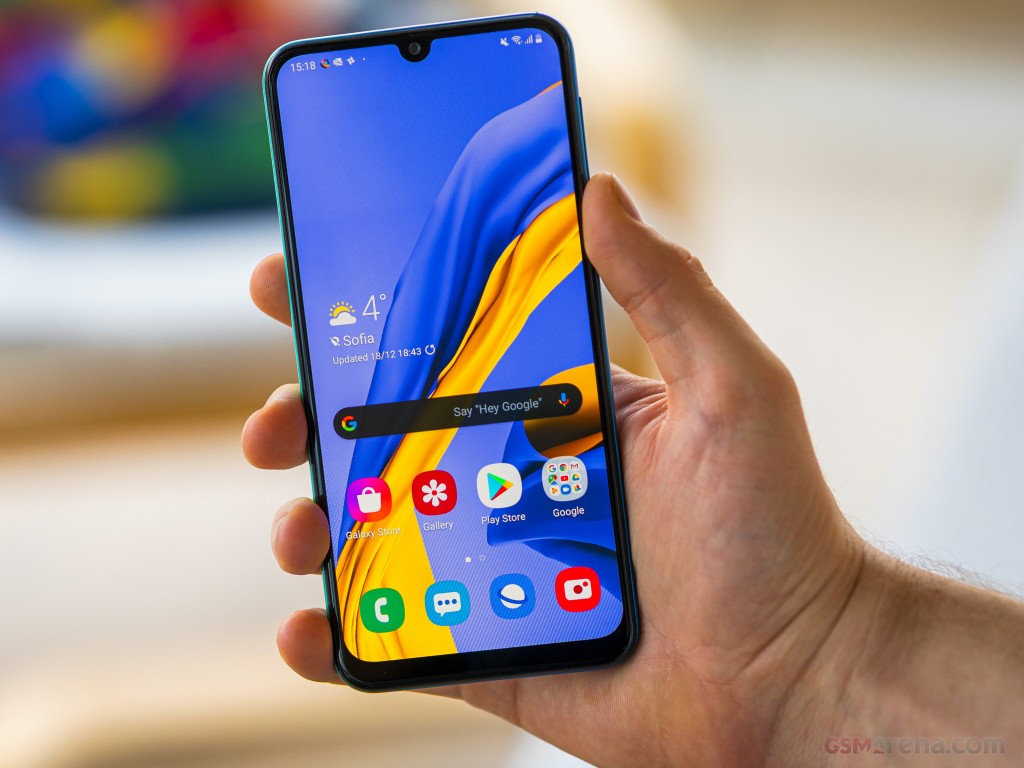
Samsung Galaxy M30s hands-on photo 2
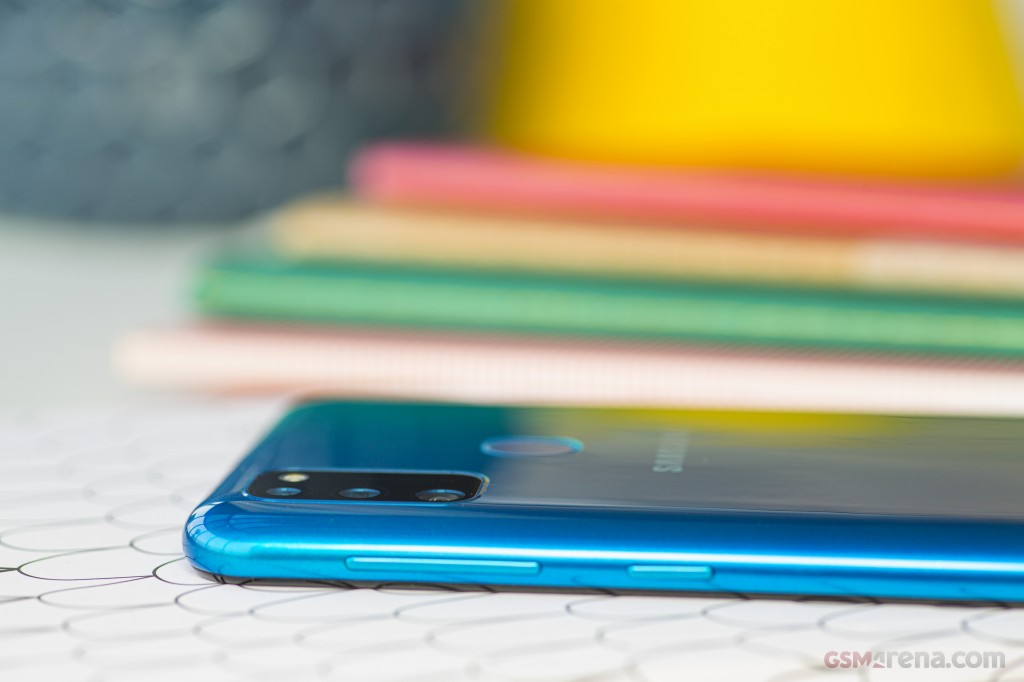
Samsung Galaxy M30s hands-on photo 3
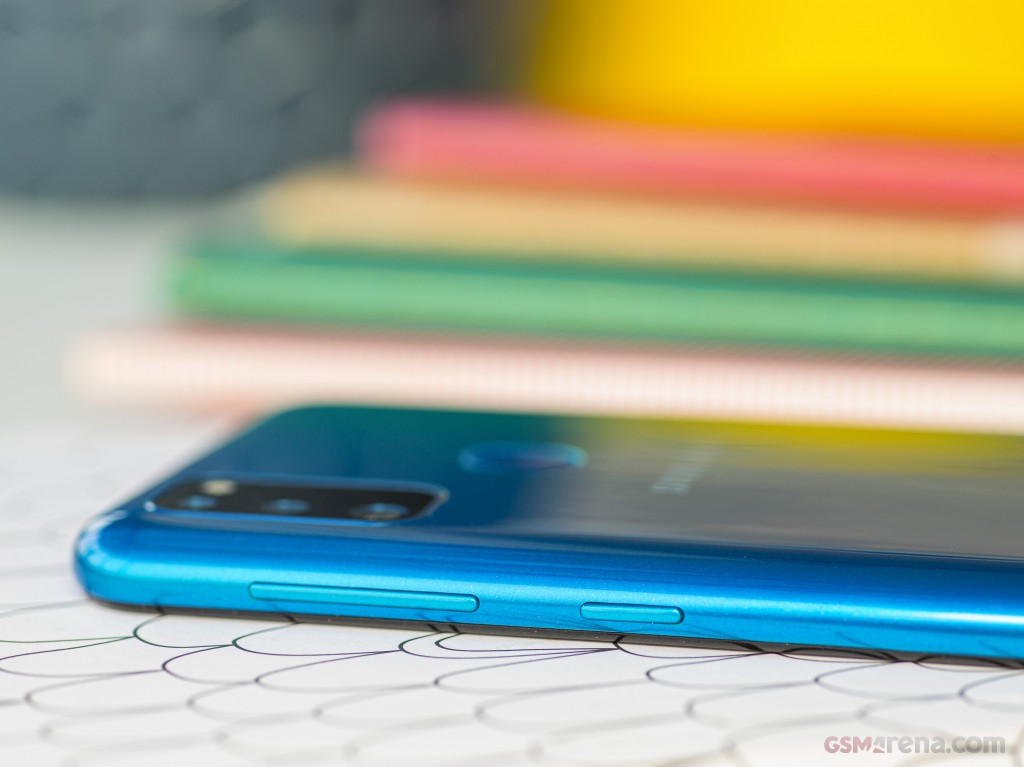
Samsung Galaxy M30s hands-on photo 4
Samsung Galaxy M30s hands-on photo 5
Samsung Galaxy M30s hands-on photo 6
Samsung Galaxy M30s hands-on photo 7
Samsung Galaxy M30s hands-on photo 8
Samsung Galaxy M30s hands-on photo 9
Samsung Galaxy M30s hands-on photo 10
Samsung Galaxy M30s hands-on photo 11
Samsung Galaxy M30s hands-on photo 12
Samsung Galaxy M30s hands-on photo 13
Samsung Galaxy M30s hands-on photo 14
Samsung Galaxy M30s hands-on photo 15

Full specifications

What stands out

480 fps slow motion for action clips

Display

6.4″ · Super AMOLED · 1080 × 2340 · 60 Hz · HDR
OLED display

A clean OLED panel — colours pop and sunlight visibility is solid.

Screen size
6.4"
Panel type
Super AMOLED
OLED
Resolution
1080 × 2340 px
Refresh rate
60 Hz
Slow for 2026
Brightness
642 nits
HDR
Supported

Performance

Exynos 9611 (10 nm) · 8-core 2.3 GHz · Mali-G72 MP3
Basic CPU

Best for messaging, calls, and light browsing. Avoid heavy multitasking.

Chipset
Exynos 9611 (10 nm)
Current CPU tier
Entry-level
Launch class
Lower mid-range
AnTuTu
180,321
GeekBench
1,288
CPU
8-core, 2.3 GHz
GPU
Mali-G72 MP3
Process
10 nm
RAM type
LPDDR4X RAM
Storage type
eMMC 5.1 Storage
CPU layout
4x Cortex A73 2.3 GHz + 4x Cortex A53 1.67 GHz

Camera

48 MP f/2.0 main · 16 MP selfie · 4K video
4K video

A standard camera setup — sharp in daylight, expect noise in low light.

Main camera
48 MP f/2.0
Ultrawide
8 MP f/2.2
Front camera
16 MP f/2.0
Main sensor
Samsung S5KGM1, 1/2", 0.8µm
Slow motion
Yes, 480 fps
Video
4K @ 30 fps
4K video

Battery

6000 mAh · 15 W wired
All-day

A genuinely all-day battery — comfortably handles streaming and social.

Capacity
6000 mAh
Lab endurance
130:00h
Wired charging
15 W
Slow for 2026
Removable
No

Memory

4 GB RAM · 64 GB · expandable
Tight
RAM
4 GB
Tight for 2026
Storage
64 GB
Fills fast
Storage type
UFS 2.1
Expandable
Yes

Connectivity

4G LTE · NFC · Wi-Fi 5
5G
No
4G LTE
Yes
NFC
Yes
Contactless
Wi-Fi
Wi-Fi 5
Bluetooth
5.0
GPS systems
GPS, A-GPS, GLONASS, Beidou
USB
USB-C
USB OTG
Supported
3.5mm jack
Yes
IR blaster
No
SIM
1× Nano-SIM

Build & Design

188 g · 8.9 mm
Height
159.0 mm
Width
75.1 mm
Thickness
8.9 mm
Weight
188 g

Sensors

Fingerprint (rear-mounted) · accelerometer · gyro · proximity
Sensors
Fingerprint (rear-mounted), accelerometer, gyro, proximity, compass

Specifications sourced from GSMArena · Read full review

How it stacks up against the rest.

Quick reads against a few phones in the same price tier. Tap any one for the deep comparison.

vs

Apple iPhone 11

Trades blows 2 wins 3 losses
Sharper screen
Super AMOLED vs IPS LCD panel · 1080 × 2340 vs 828 × 1792 resolution · 6.4″ vs 6.1″ screen
93% larger battery capacity
6,000 mAh vs 3,110 mAh battery
Lower benchmark score
180k vs 816k AnTuTu · Entry-level vs Mid-range tier
Less stable camera
No OIS vs OIS · 4K @ 30 fps vs 4K @ 60 fps video
Less protected
None vs IP68 protection
vs

Samsung Galaxy S10e

Loses on most 1 win 4 losses
94% larger battery capacity
6,000 mAh vs 3,100 mAh battery
Weaker display tech
Super AMOLED vs Dynamic AMOLED panel · Tradeoff: 6.4″ vs 5.8″ screen
Lower benchmark score
180k vs 390k AnTuTu · Entry-level vs Lower mid-range tier
Less stable camera
No OIS vs OIS · 4K @ 30 fps vs 4K @ 60 fps video
Less protected
None vs IP68 protection · 188 g vs 150 g

Where to buy

We don't have any listings for this phone yet. Try searching on Konga or Jiji.