Entry-level · 2018

Motorola One (P30 Play)

Our Take CPU benches near recent entry-level phones like the Samsung Galaxy A04s

A basic entry-level phone — watch out for a smaller battery and slow 15W charging.

Watch out Smaller battery (3000mAh), 15W charging (slow)
Skip if You watch a lot of video or play demanding games
Compare

In the Real World

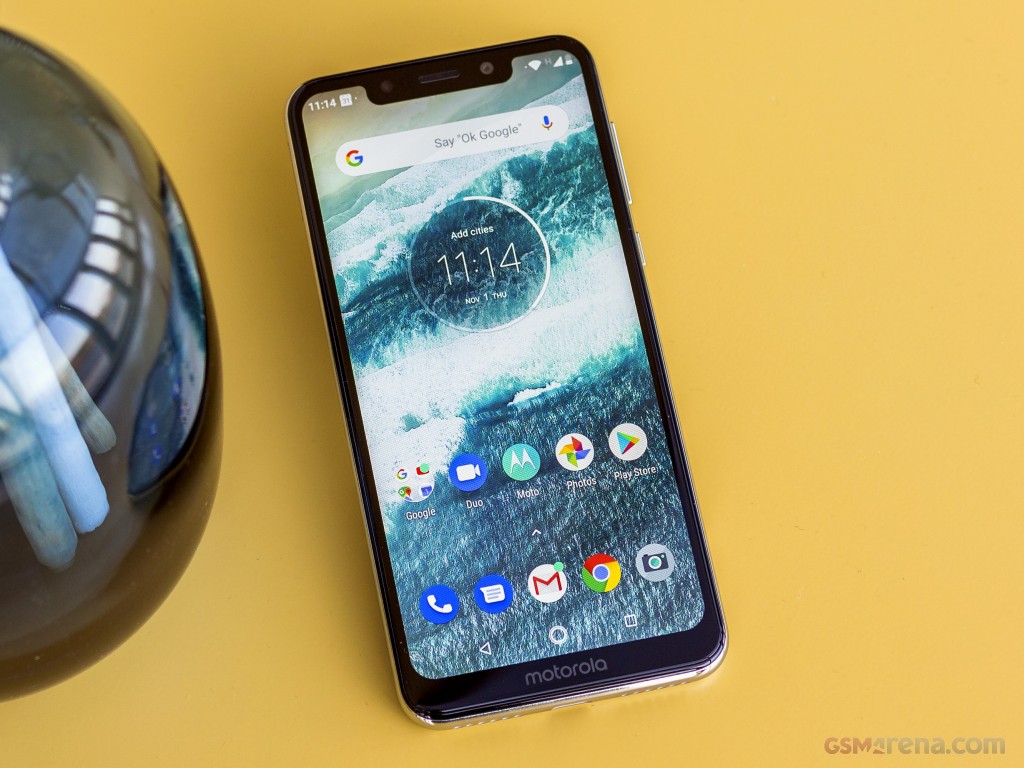
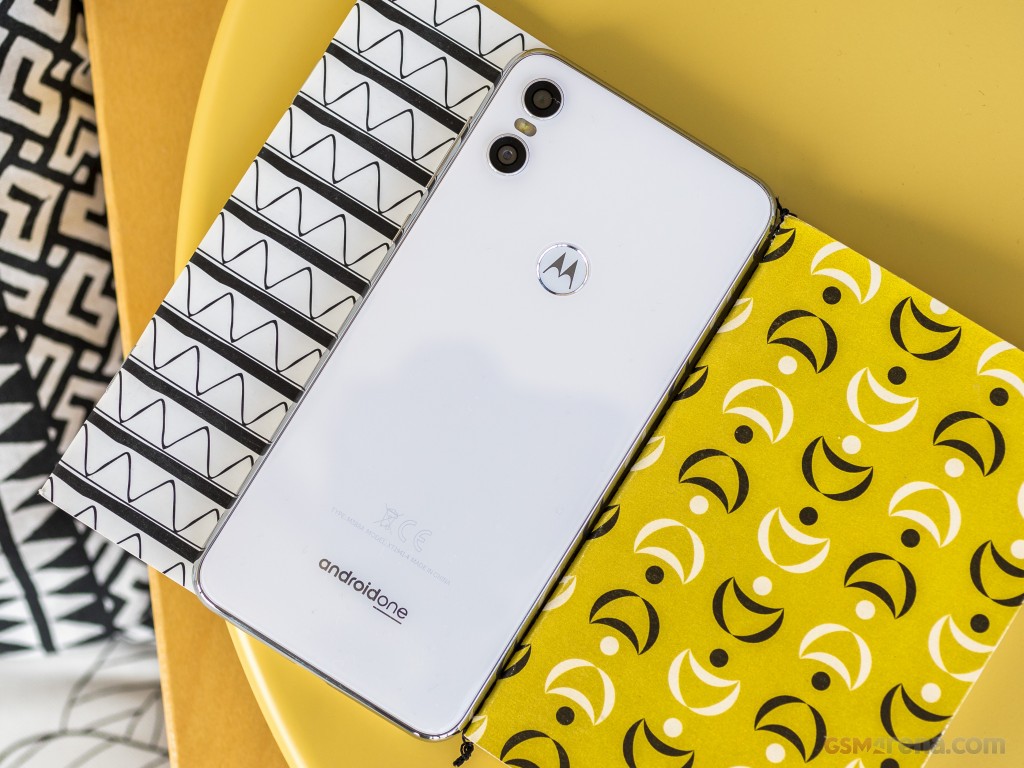
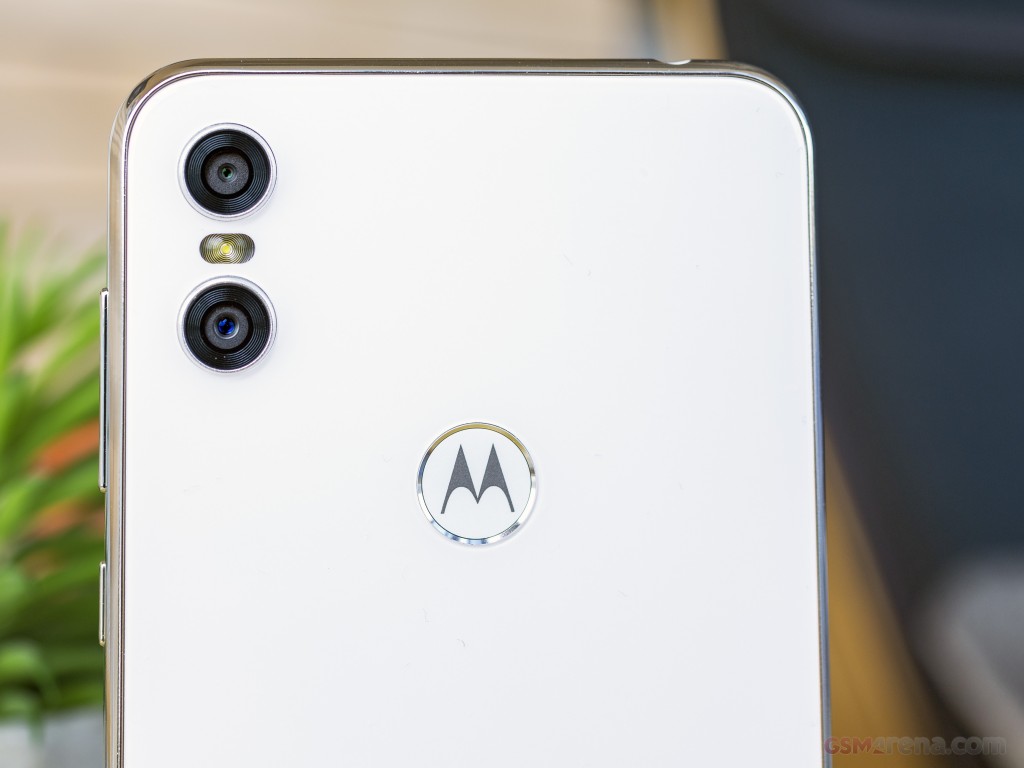
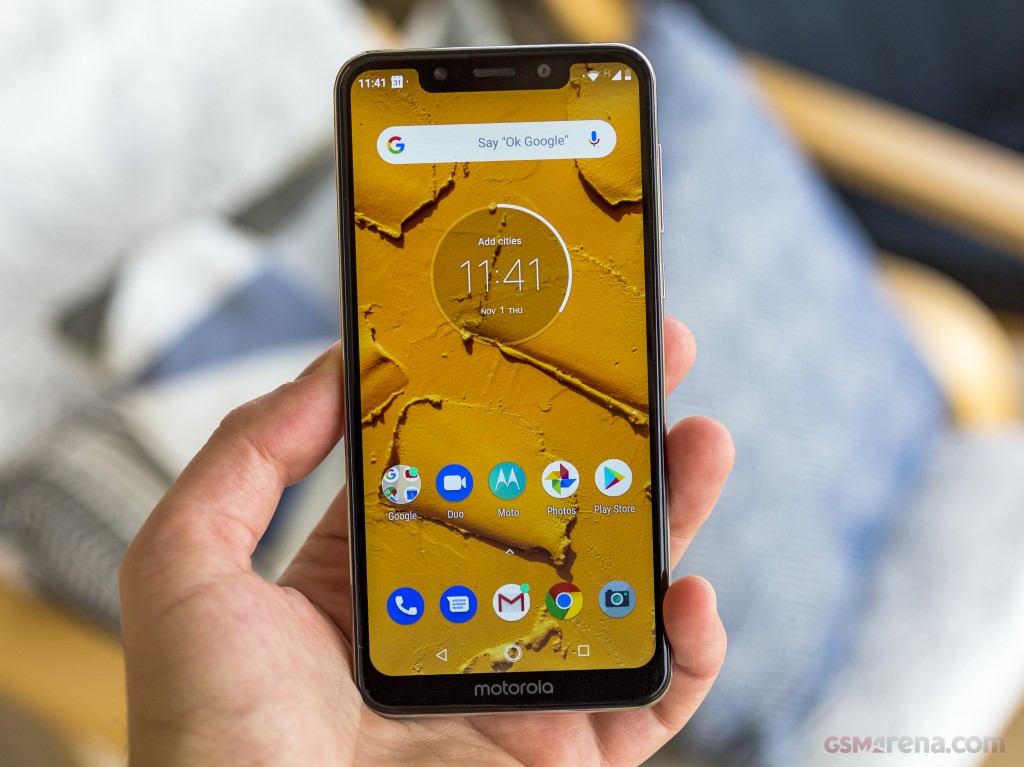
See how the Motorola One (P30 Play) looks and feels in everyday use.
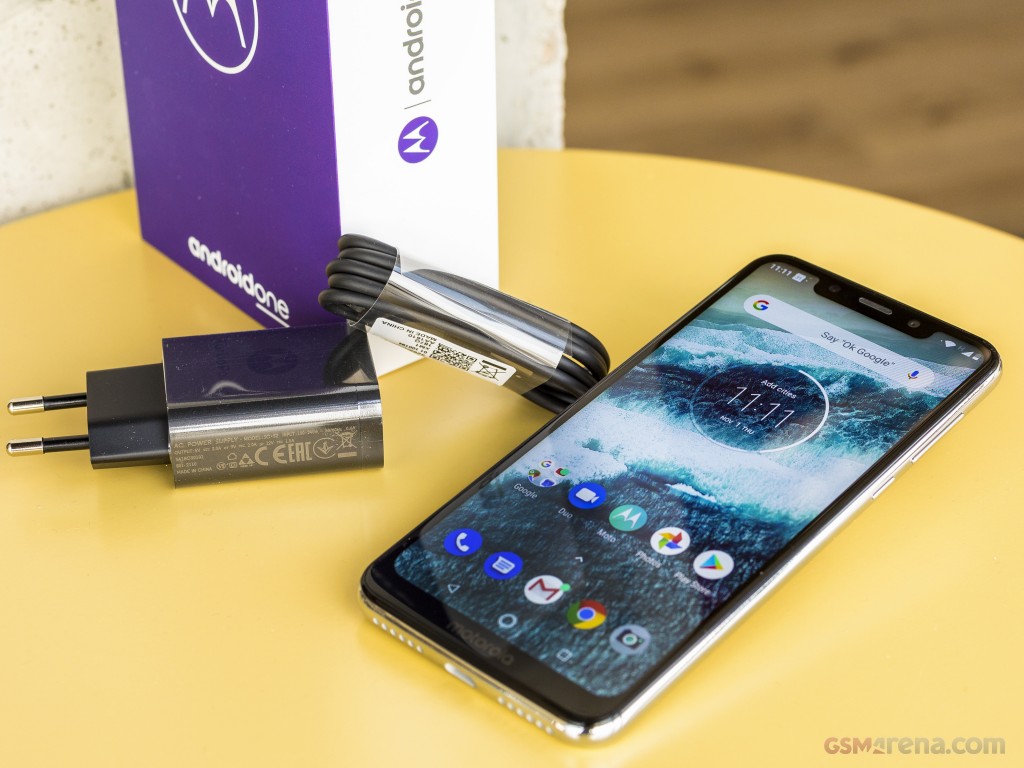
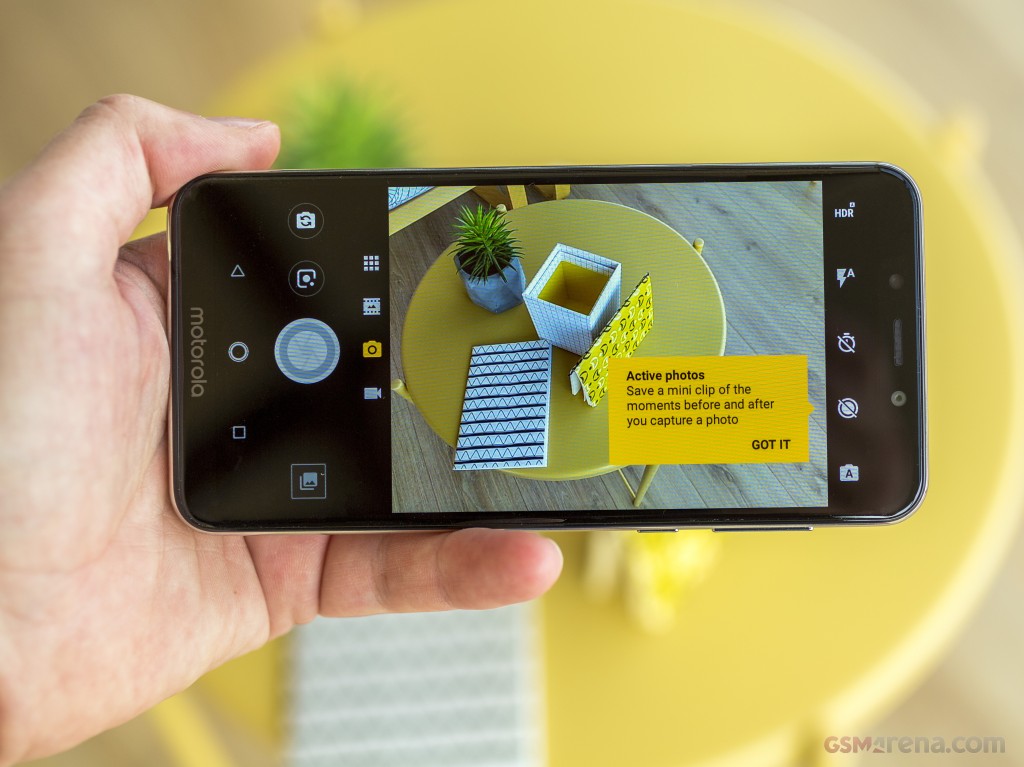
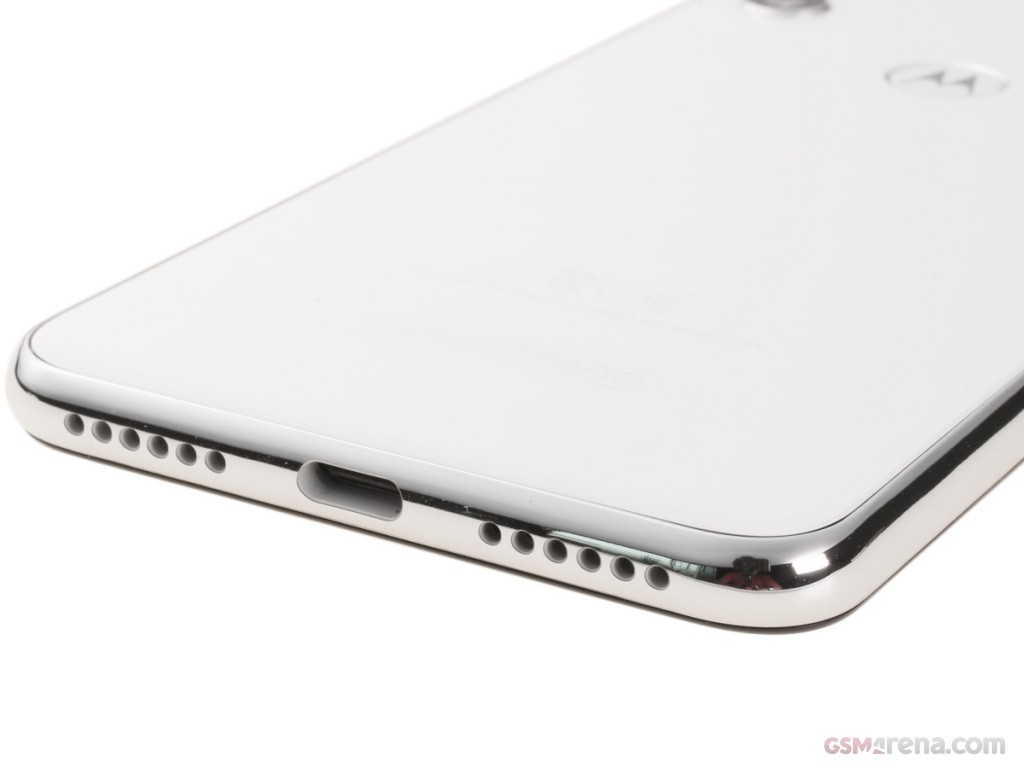
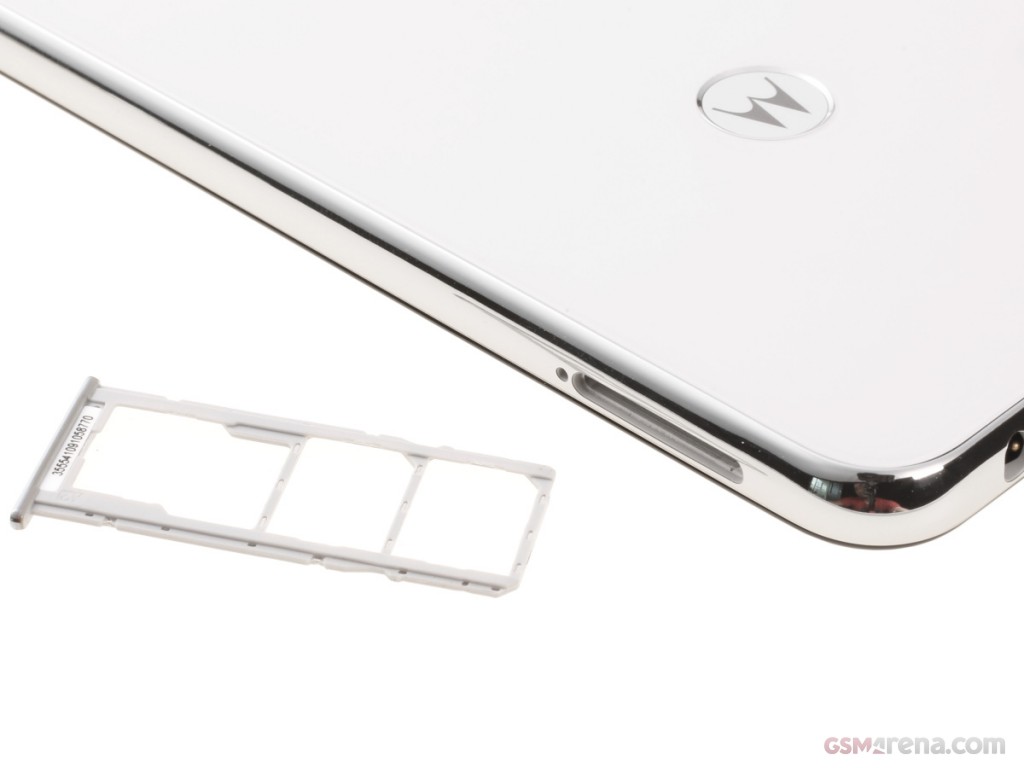
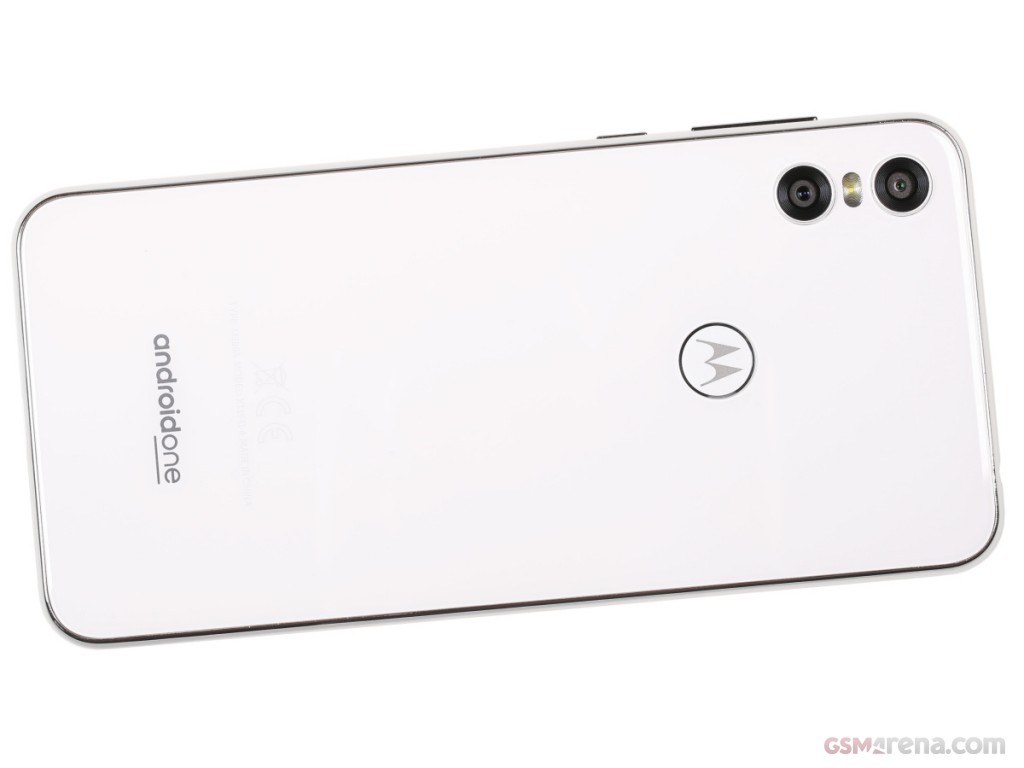
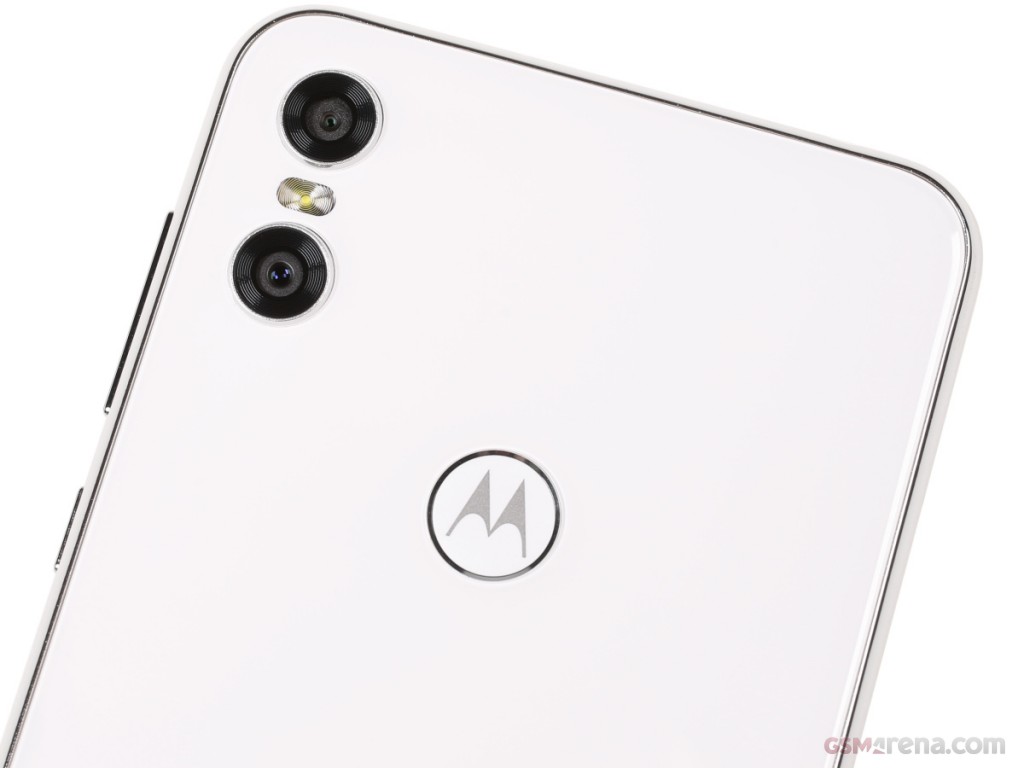
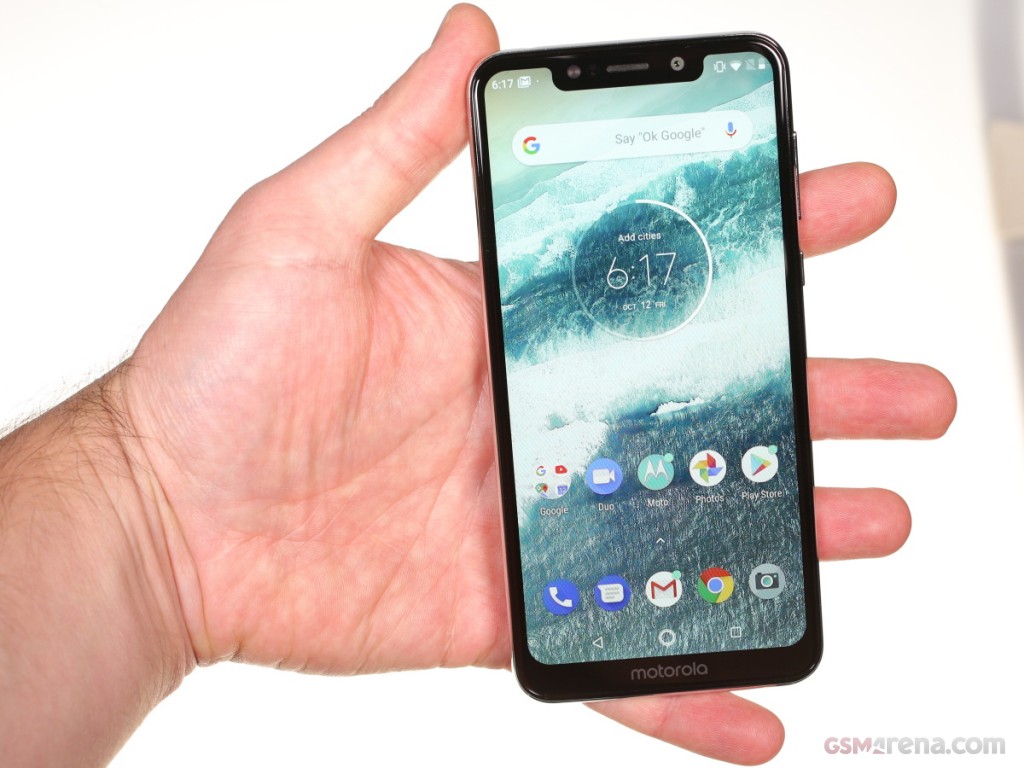
Motorola One (P30 Play) hands-on photo 1
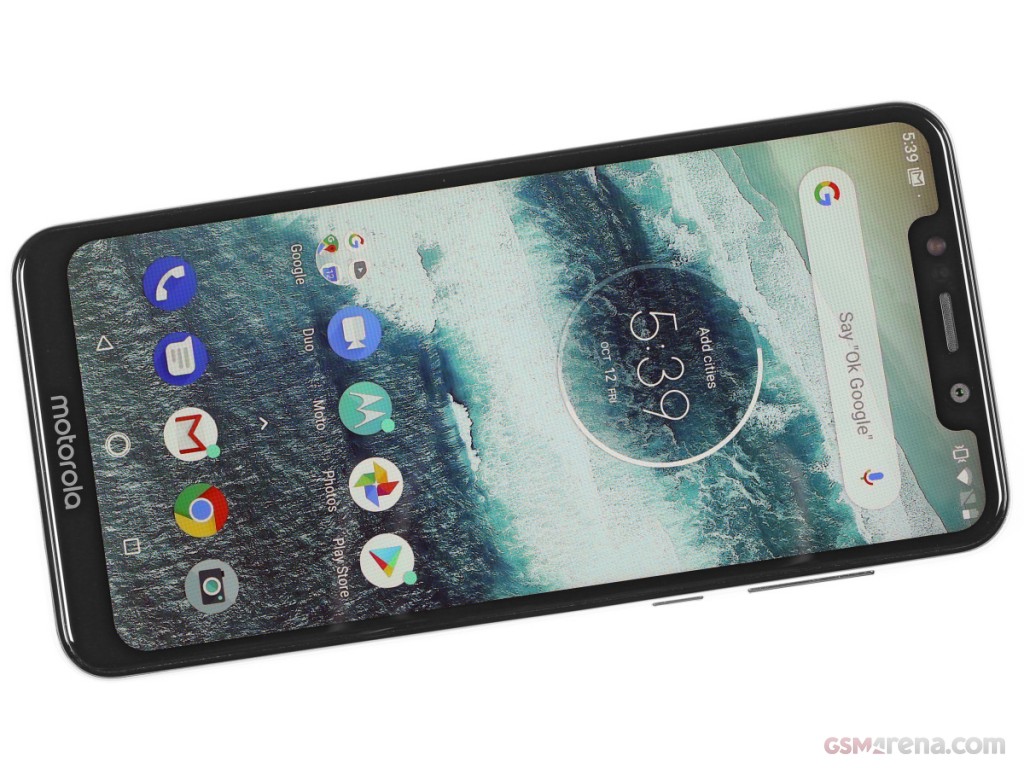
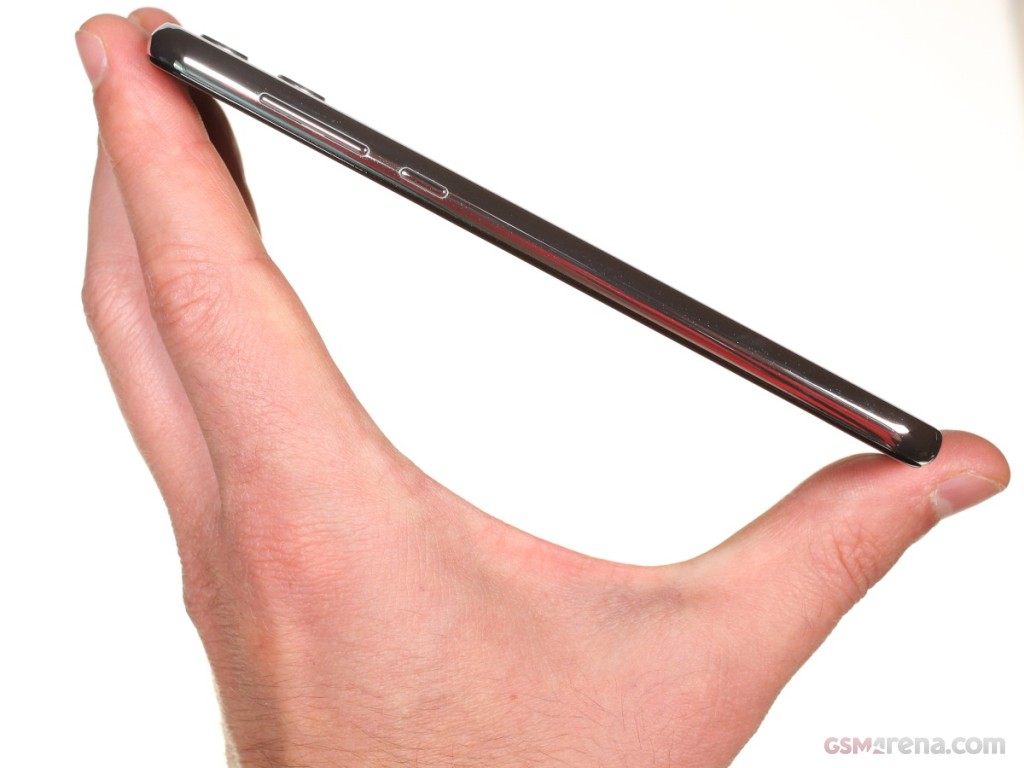
Motorola One (P30 Play) hands-on photo 2
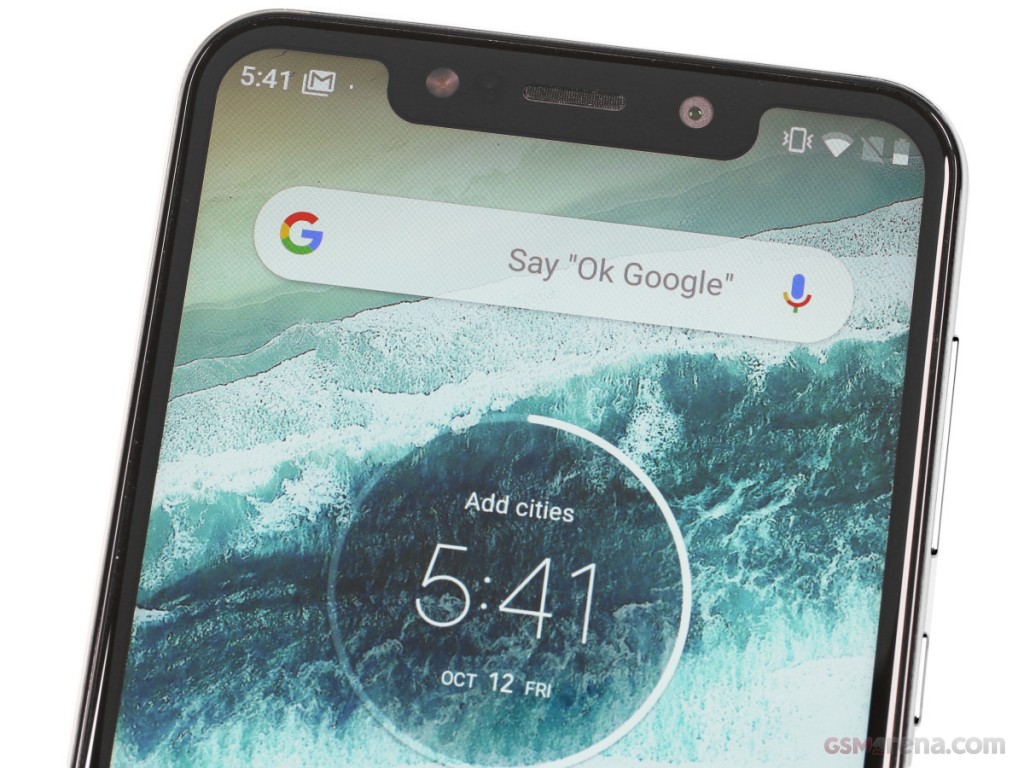
Motorola One (P30 Play) hands-on photo 3
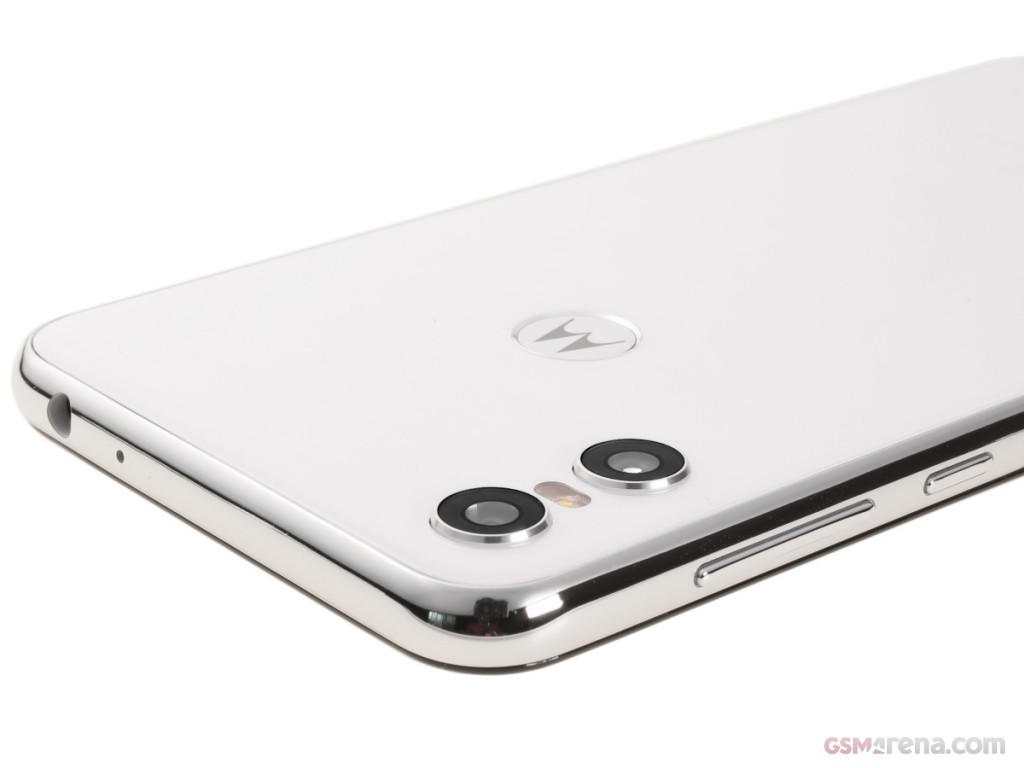
Motorola One (P30 Play) hands-on photo 4
Motorola One (P30 Play) hands-on photo 5
Motorola One (P30 Play) hands-on photo 6
Motorola One (P30 Play) hands-on photo 7
Motorola One (P30 Play) hands-on photo 8
Motorola One (P30 Play) hands-on photo 9
Motorola One (P30 Play) hands-on photo 10
Motorola One (P30 Play) hands-on photo 11
Motorola One (P30 Play) hands-on photo 12
Motorola One (P30 Play) hands-on photo 13
Motorola One (P30 Play) hands-on photo 14
Motorola One (P30 Play) hands-on photo 15

Full specifications

Display

5.9″ · IPS LCD · 720 × 1520 · 60 Hz
Basic

A standard LCD panel. Fine indoors, watch out for sunlight legibility.

Screen size
5.9"
Panel type
IPS LCD
Resolution
720 × 1520 px
Refresh rate
60 Hz
Slow for 2026
HDR
Not listed
Protection
Corning Gorilla Glass (unspecified version)

Performance

Qualcomm MSM8953 Snapdragon 625 (14 nm) · 8-core 2.0 GHz · Adreno 506
Basic CPU

Best for messaging, calls, and light browsing. Avoid heavy multitasking.

Chipset
Qualcomm MSM8953 Snapdragon 625 (14 nm)
Current CPU tier
Entry-level
Launch class
Lower mid-range
AnTuTu
155,000
v10
GeekBench
4,183
CPU
8-core, 2.0 GHz
GPU
Adreno 506
Process
14 nm
RAM type
LPDDR3 RAM
CPU layout
8x Cortex A53 2.0 GHz

Camera

13 MP f/2.0 main · 8 MP selfie · 4K video
4K video

A standard camera setup — sharp in daylight, expect noise in low light.

Main camera
13 MP f/2.0
Front camera
8 MP f/2.2
Slow motion
No, 30 fps
Video
4K @ 30 fps
4K video

Battery

3000 mAh · 15 W wired
Plan to charge daily

Small by today's standards. Plan on charging once a day, twice if you're heavy.

Capacity
3000 mAh
Lab endurance
102:00h
Wired charging
15 W
Slow for 2026
Removable
No

Memory

3 GB RAM · 32 GB · expandable
Tight
RAM
3 GB
Tight for 2026
Storage
32 GB
Fills fast
Storage type
eMMC 5.1
Expandable
Yes

Connectivity

4G LTE · NFC · Wi-Fi 5
5G
No
4G LTE
Yes
NFC
Yes
Contactless
Wi-Fi
Wi-Fi 5
Bluetooth
5.0
GPS systems
GPS, A-GPS, GLONASS, Beidou
USB
USB-C
USB OTG
Supported
3.5mm jack
Yes
IR blaster
No
SIM
1× Nano-SIM

Build & Design

162 g · 8.0 mm
Height
149.9 mm
Width
72.2 mm
Thickness
8.0 mm
Weight
162 g

Sensors

Fingerprint (rear-mounted) · accelerometer · gyro · proximity
Sensors
Fingerprint (rear-mounted), accelerometer, gyro, proximity, compass

Specifications sourced from GSMArena · Read full review

How it stacks up against the rest.

Quick reads against a few phones in the same price tier. Tap any one for the deep comparison.

vs

Apple iPhone XS

Loses on most 5 losses
Lower-resolution screen
IPS LCD vs OLED panel · 720 × 1520 vs 1125 × 2436 resolution
Lower benchmark score
155k vs 691k AnTuTu · Entry-level vs Mid-range tier
Less stable camera
No OIS vs OIS · 4K @ 30 fps vs 4K @ 60 fps video
Less protected
None vs IP68 protection
Starts with less storage
32 GB vs 64 GB baseline
vs

Samsung Galaxy S9

Loses on most 5 losses
Lower-resolution screen
IPS LCD vs Super AMOLED panel · 720 × 1520 vs 1440 × 2960 resolution
Lower benchmark score
155k vs 416k AnTuTu · Entry-level vs Lower mid-range tier
Less stable camera
No OIS vs OIS · 4K @ 30 fps vs 4K @ 60 fps video
Less protected
None vs IP68 protection
Starts with less storage
32 GB vs 64 GB baseline

Where to buy

We don't have any listings for this phone yet. Try searching on Konga or Jiji.