LG G7 ThinQ
An older flagship with stabilised camera and water resistance — but a smaller battery and slow 18W charging show its age.
In the Real World
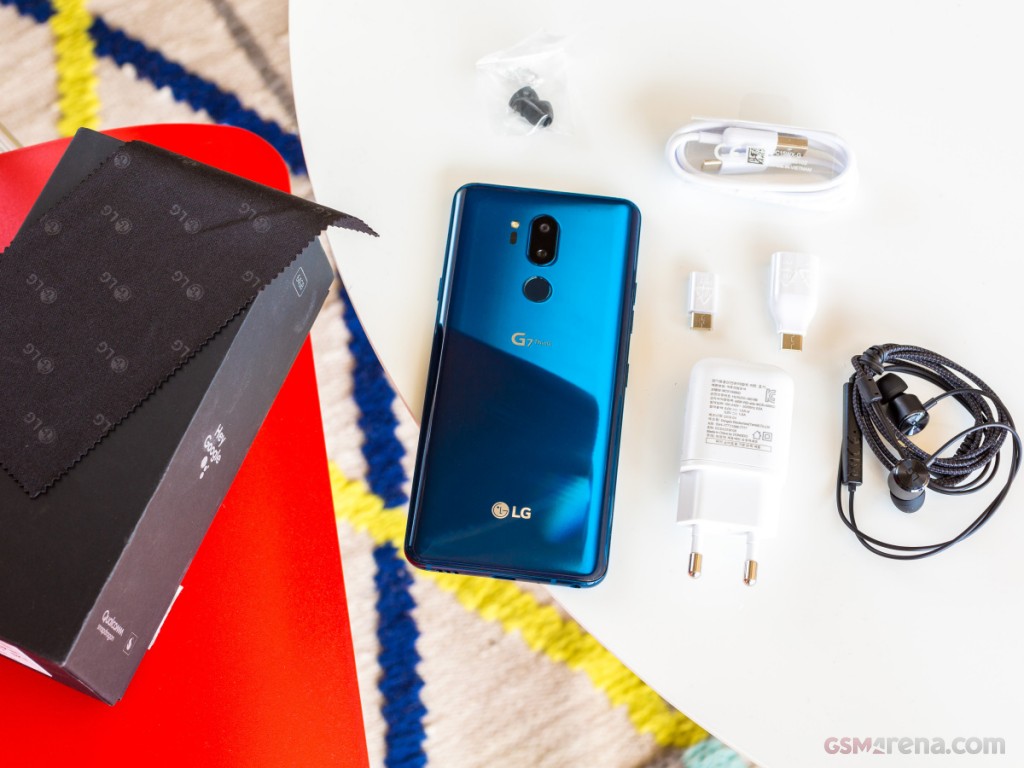
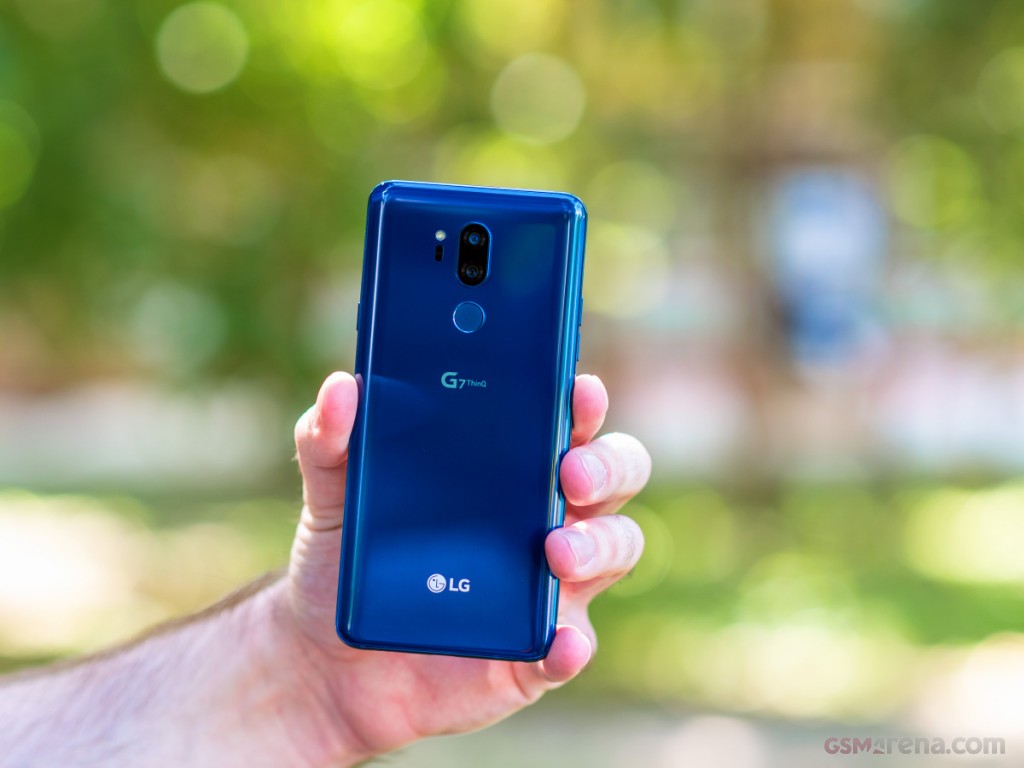
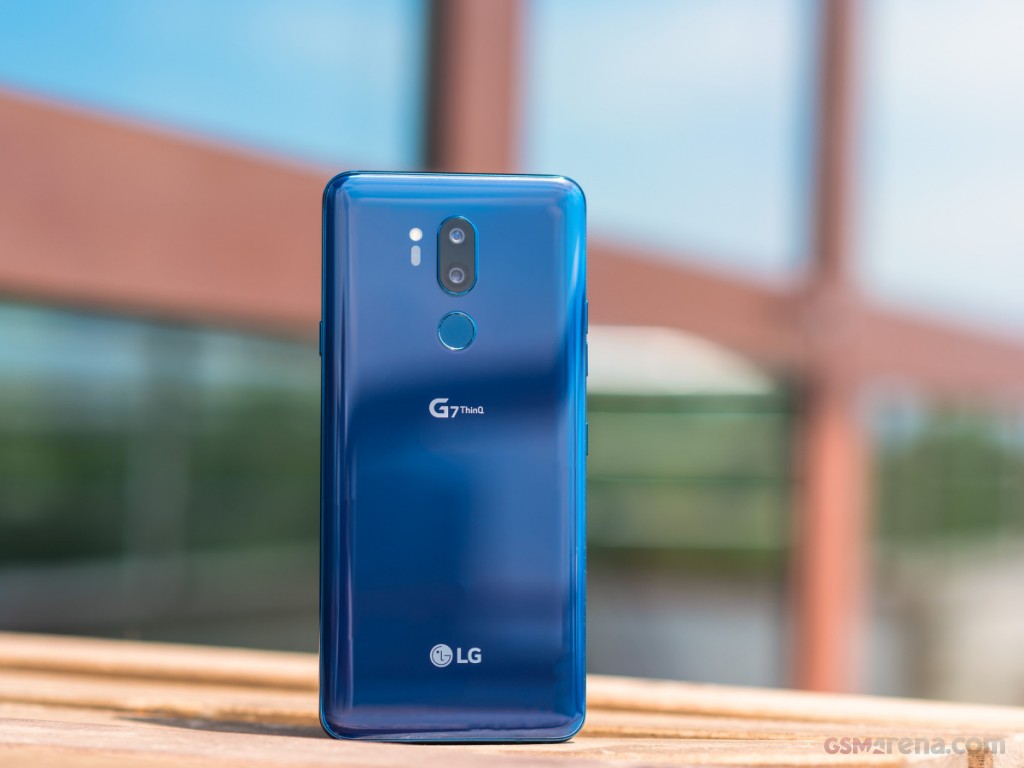
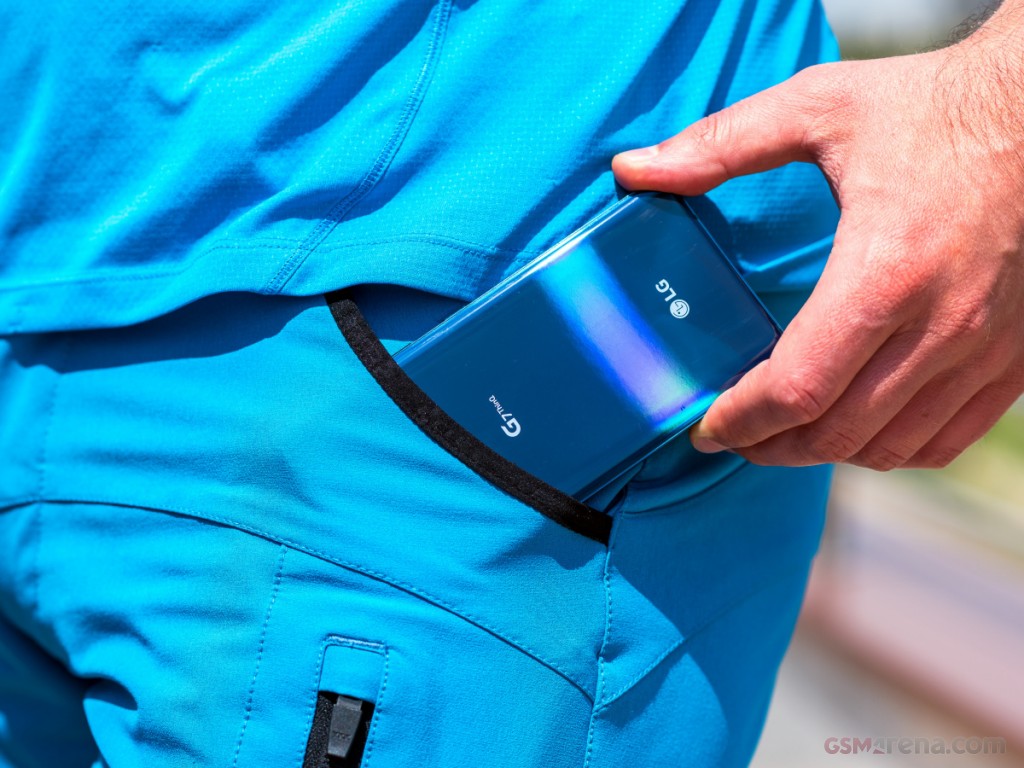
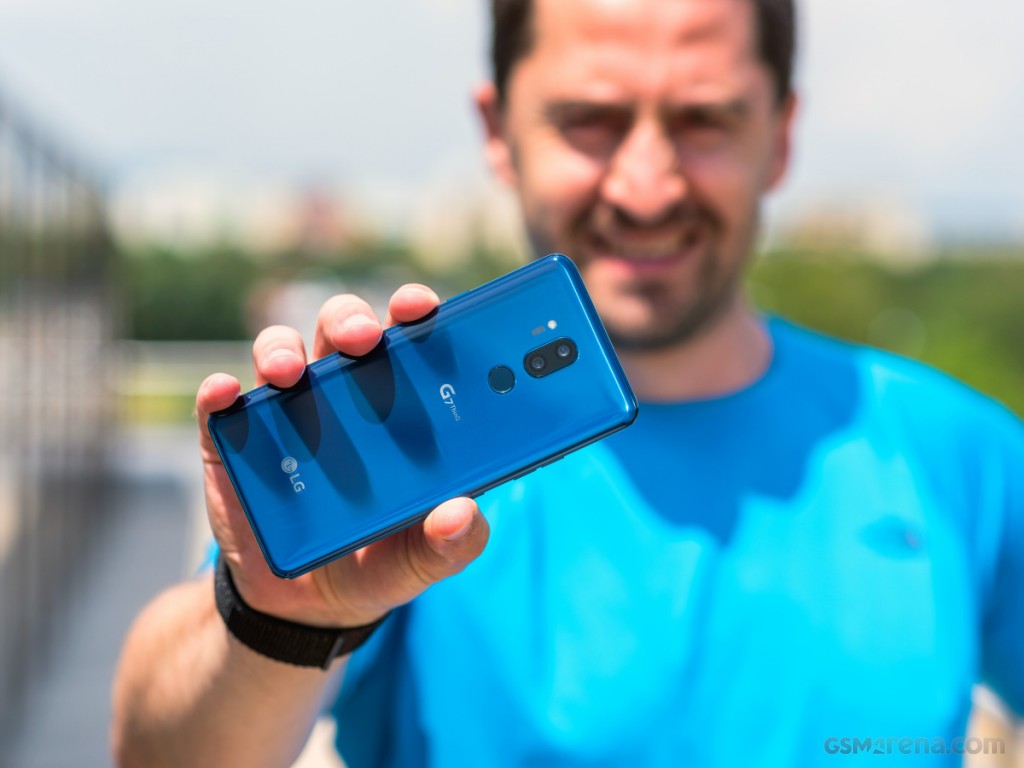
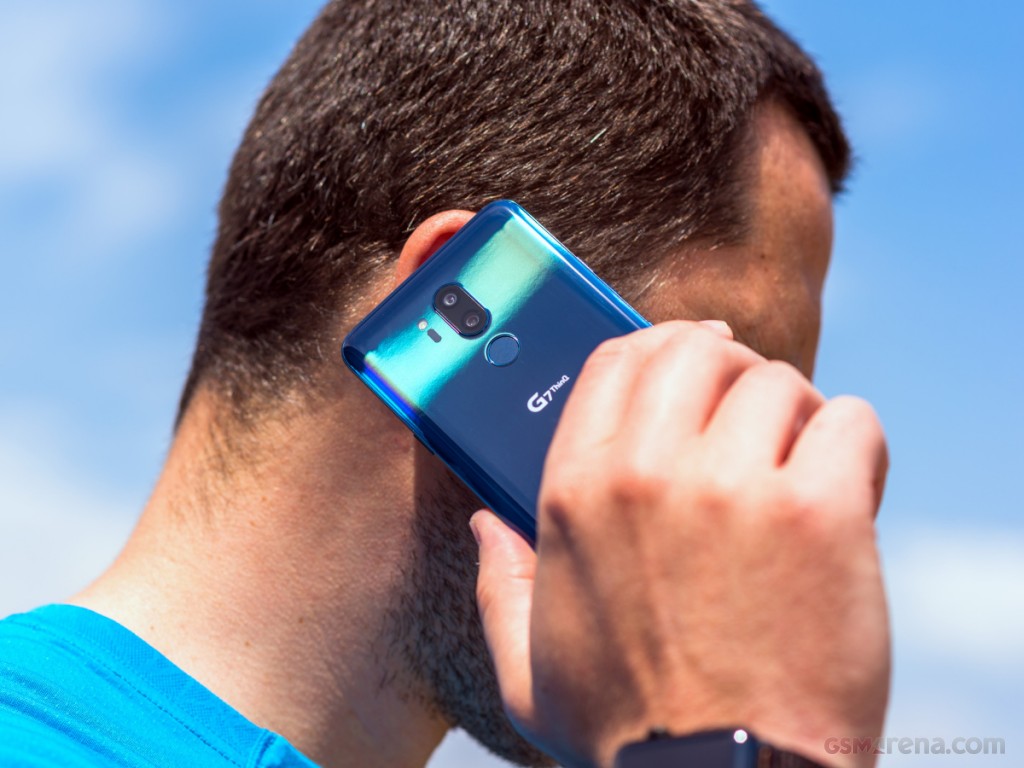
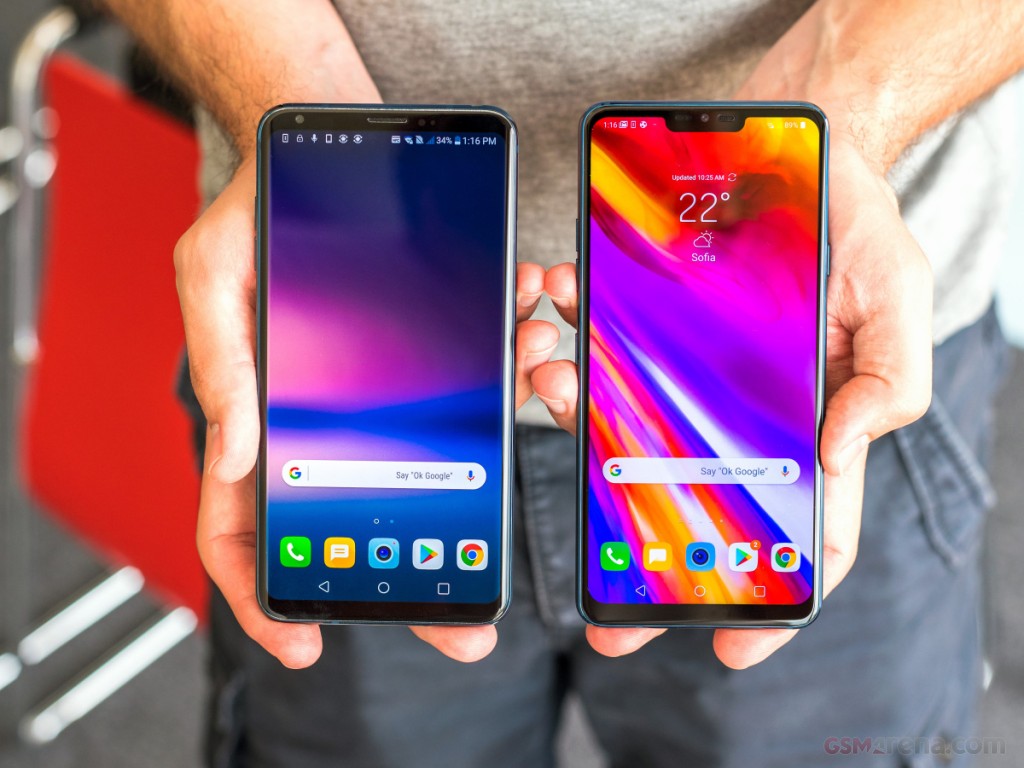
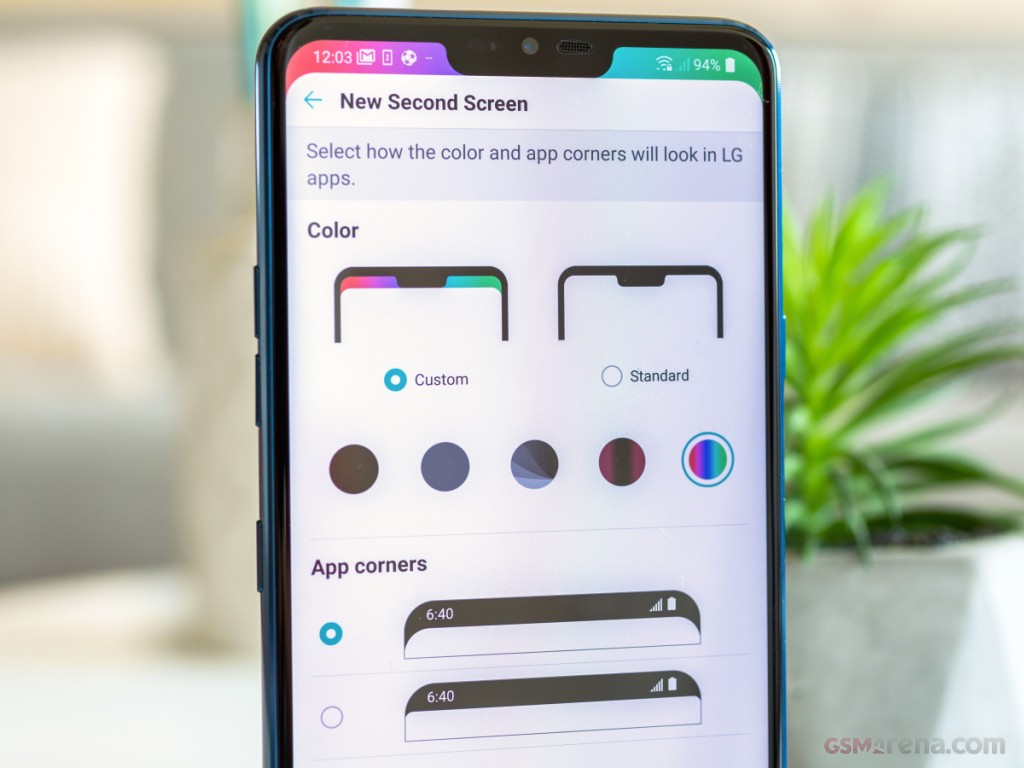
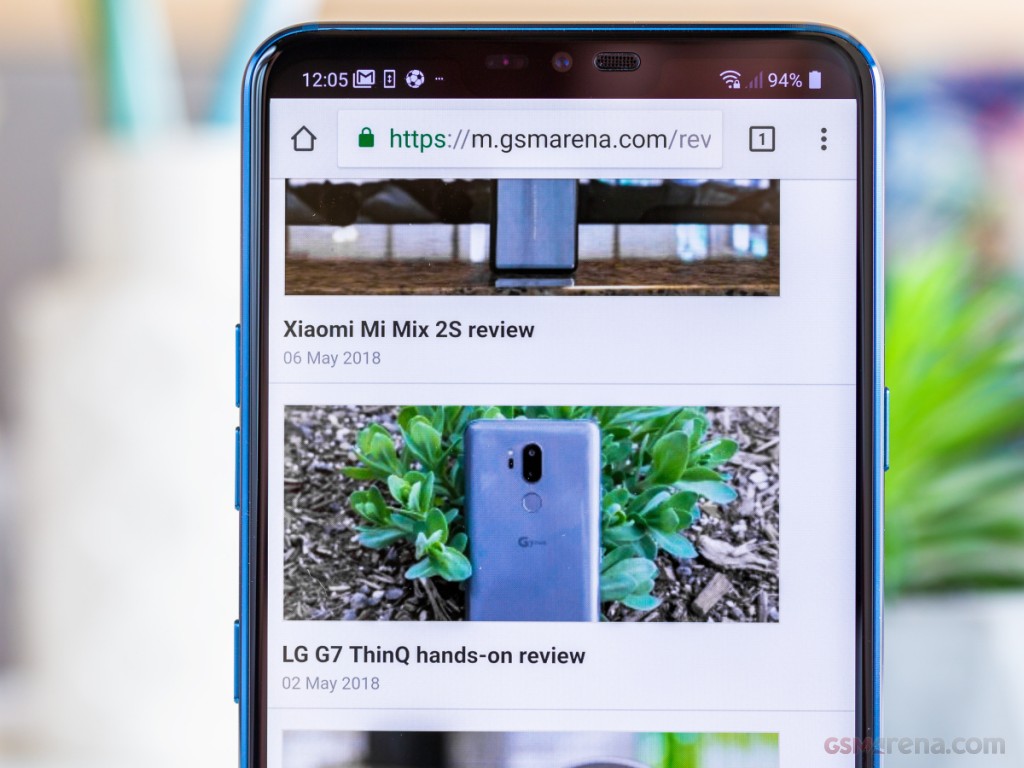
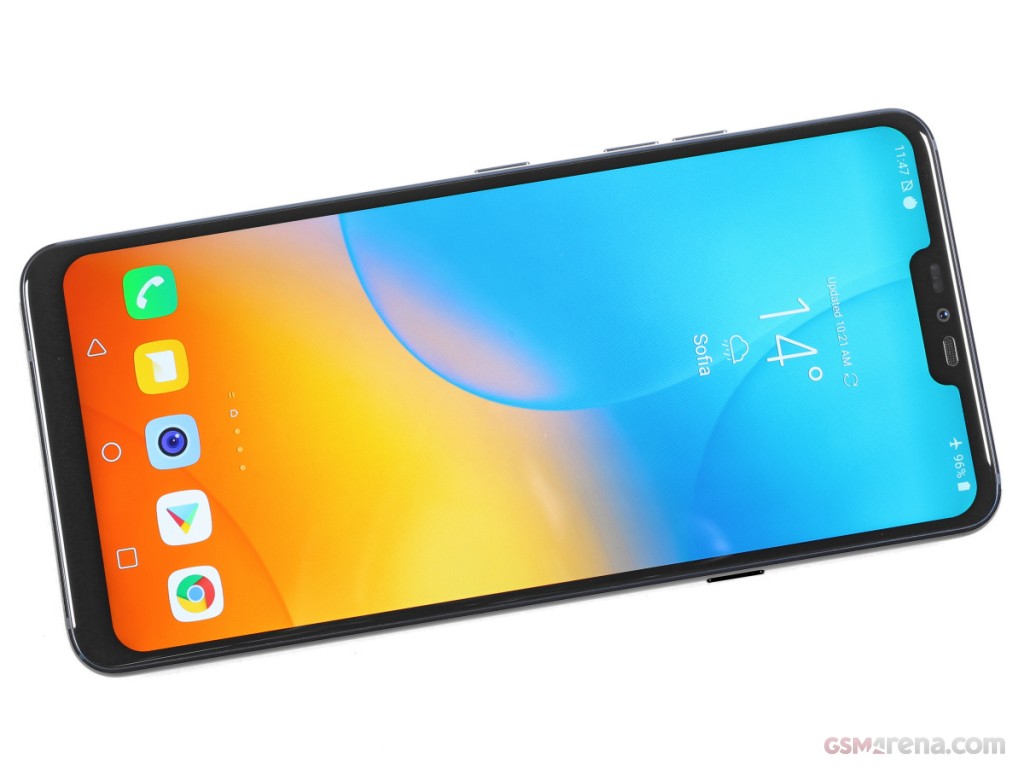
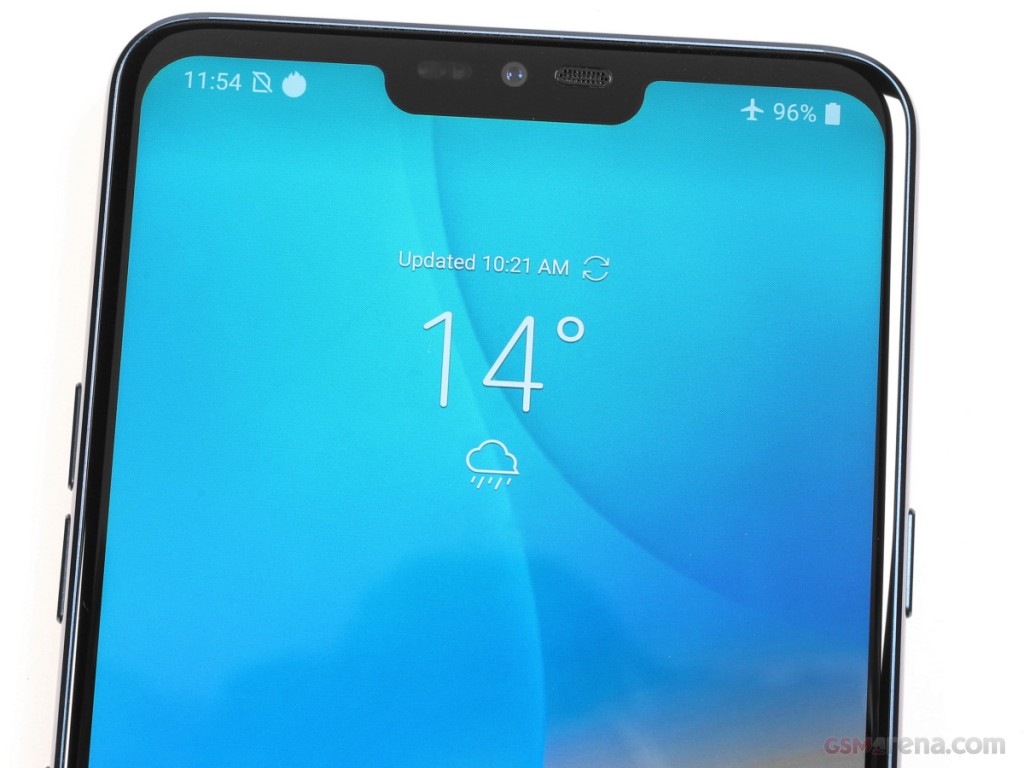
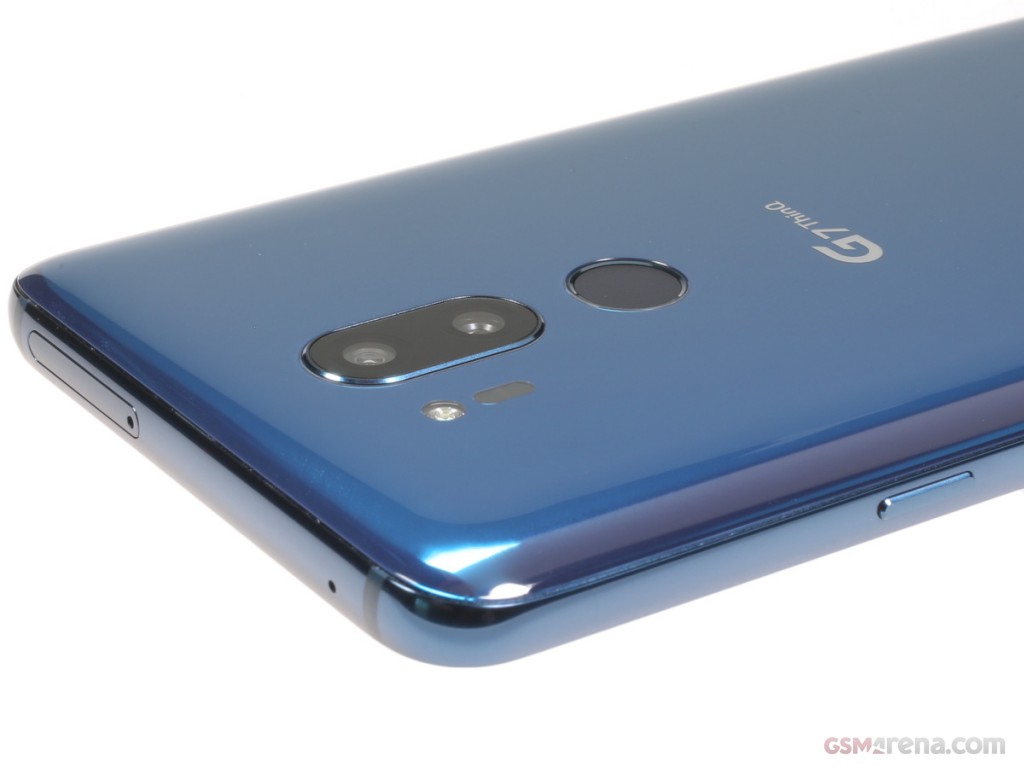
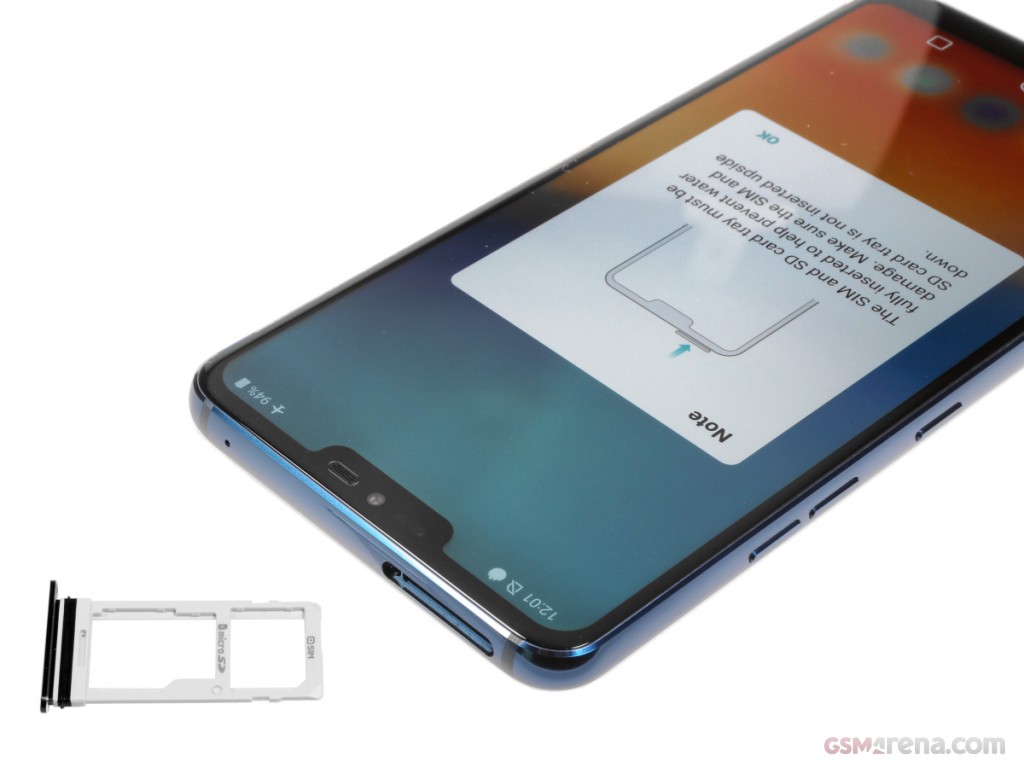
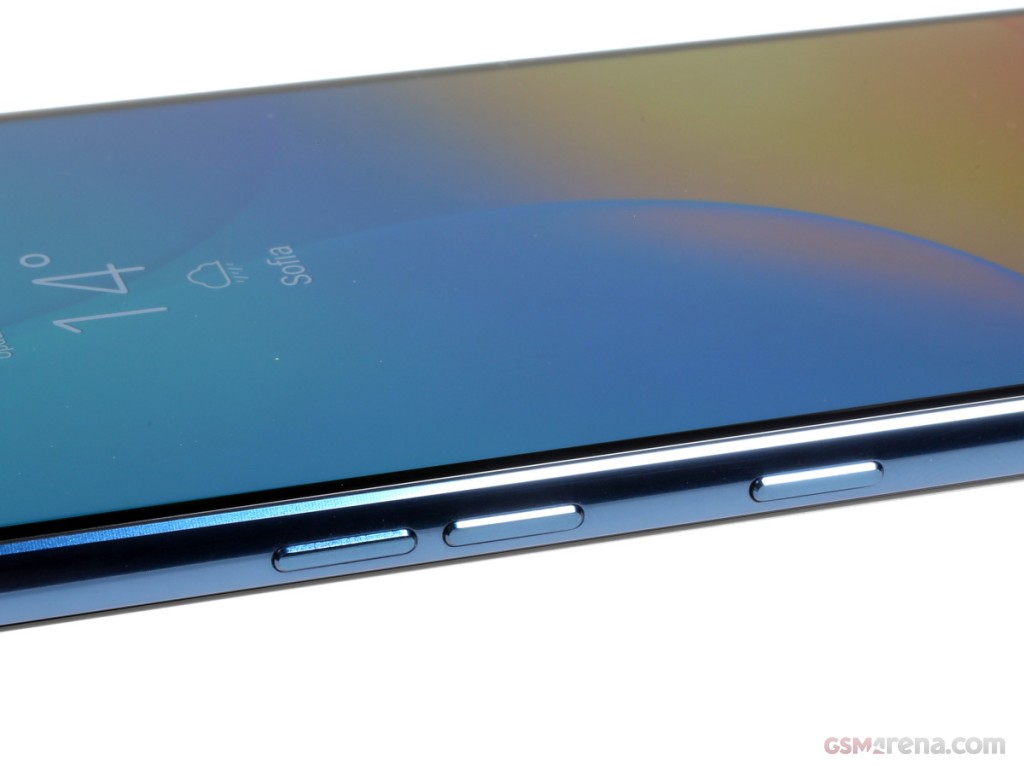
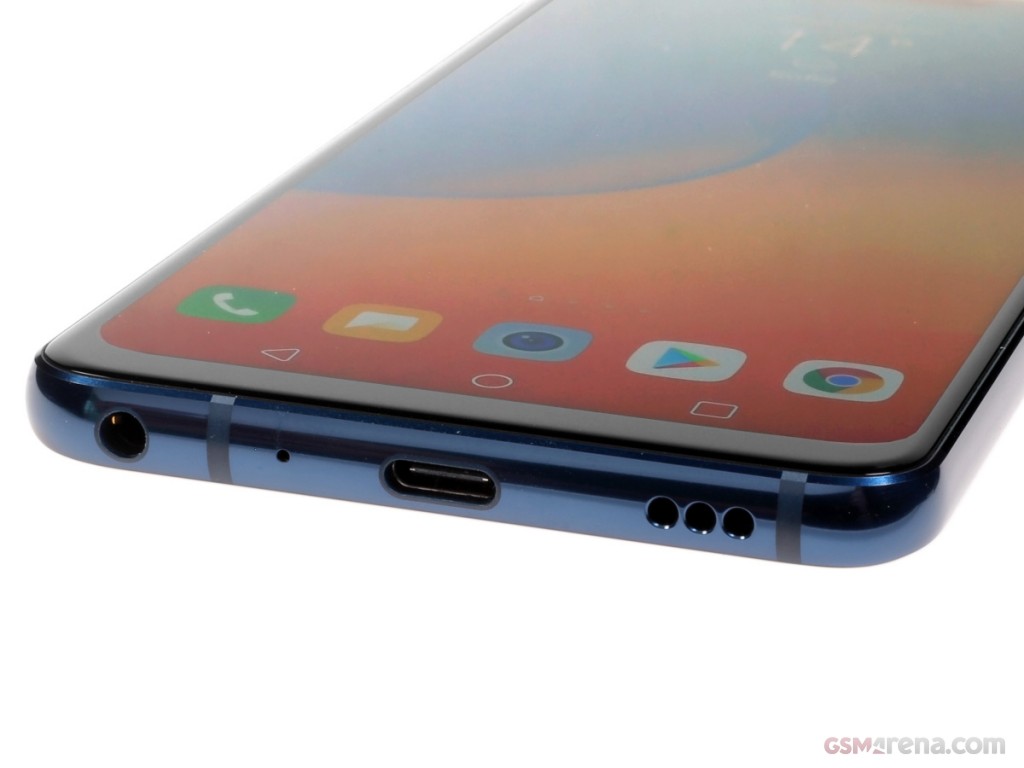
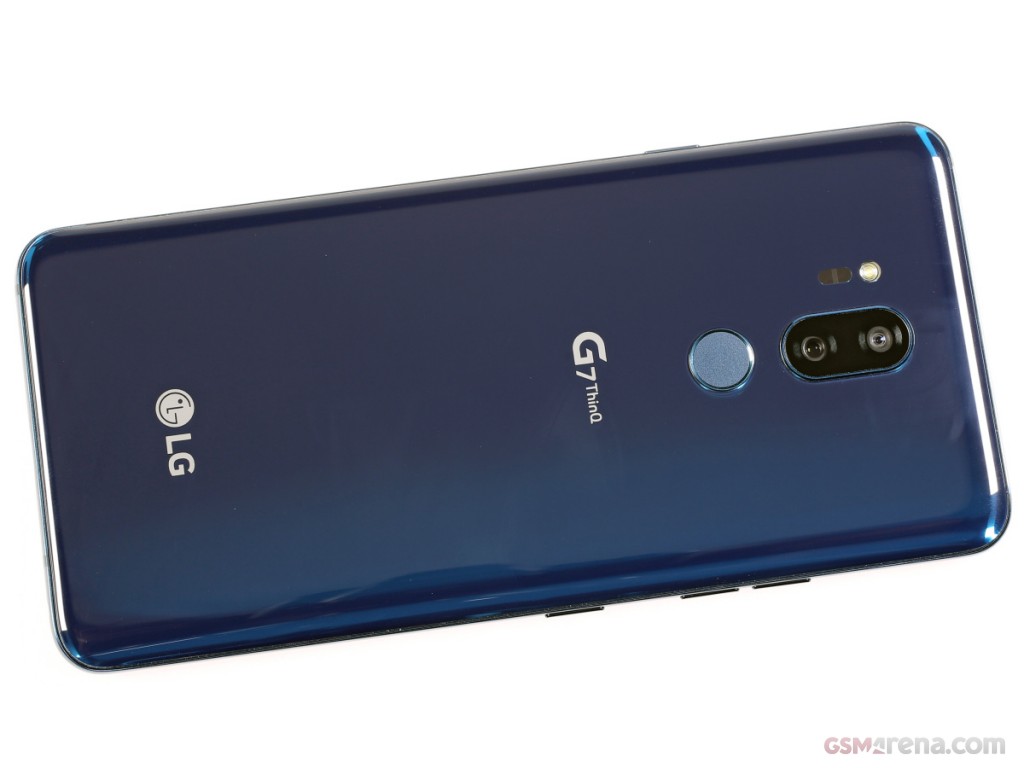
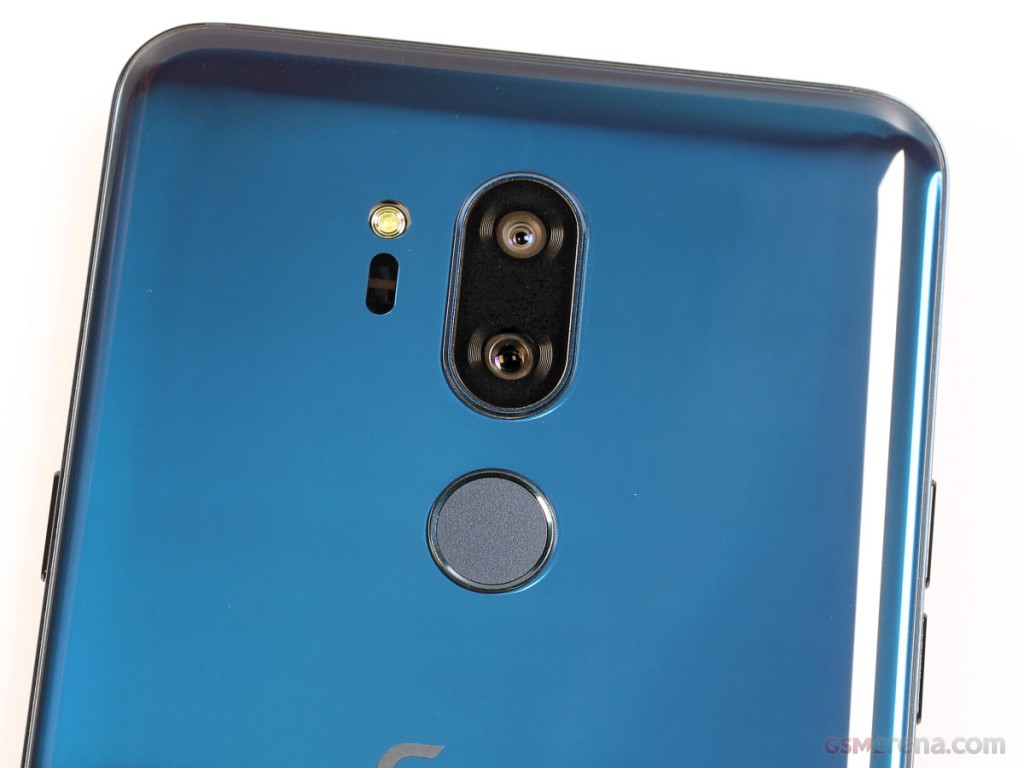
See how the LG G7 ThinQ looks and feels in everyday use.
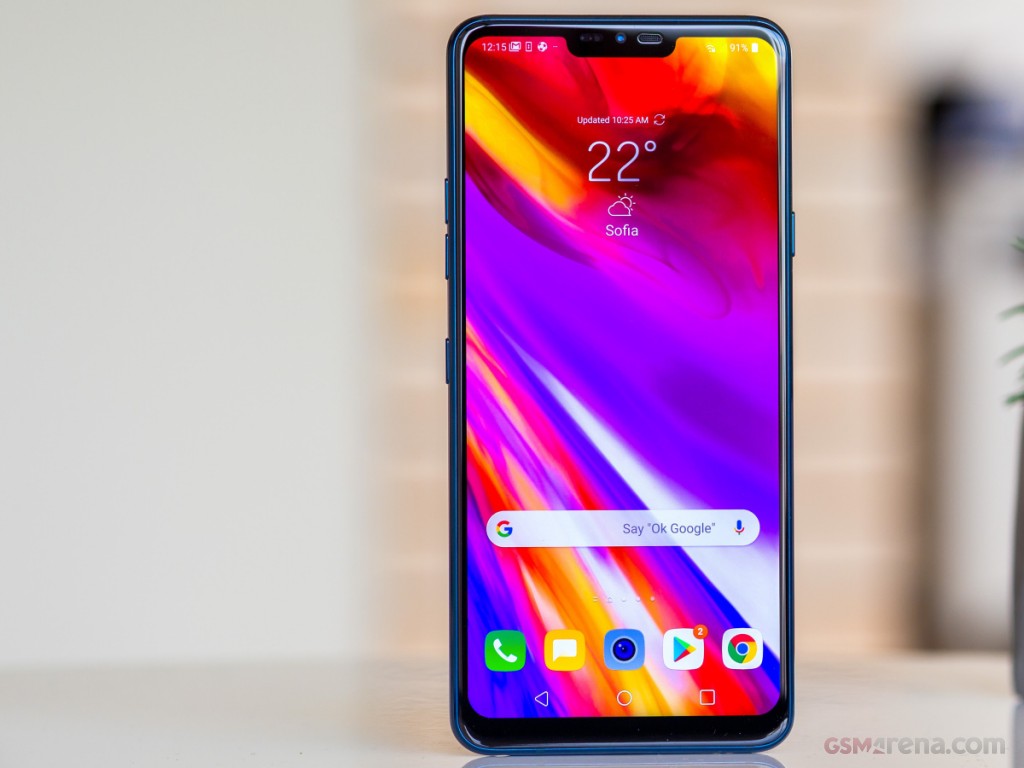
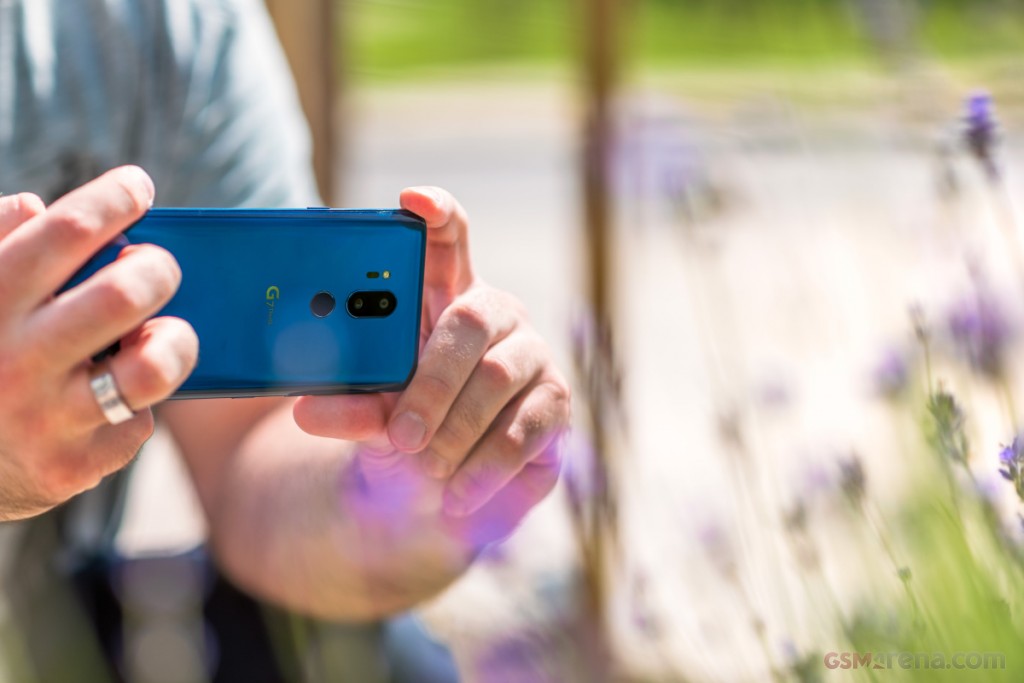
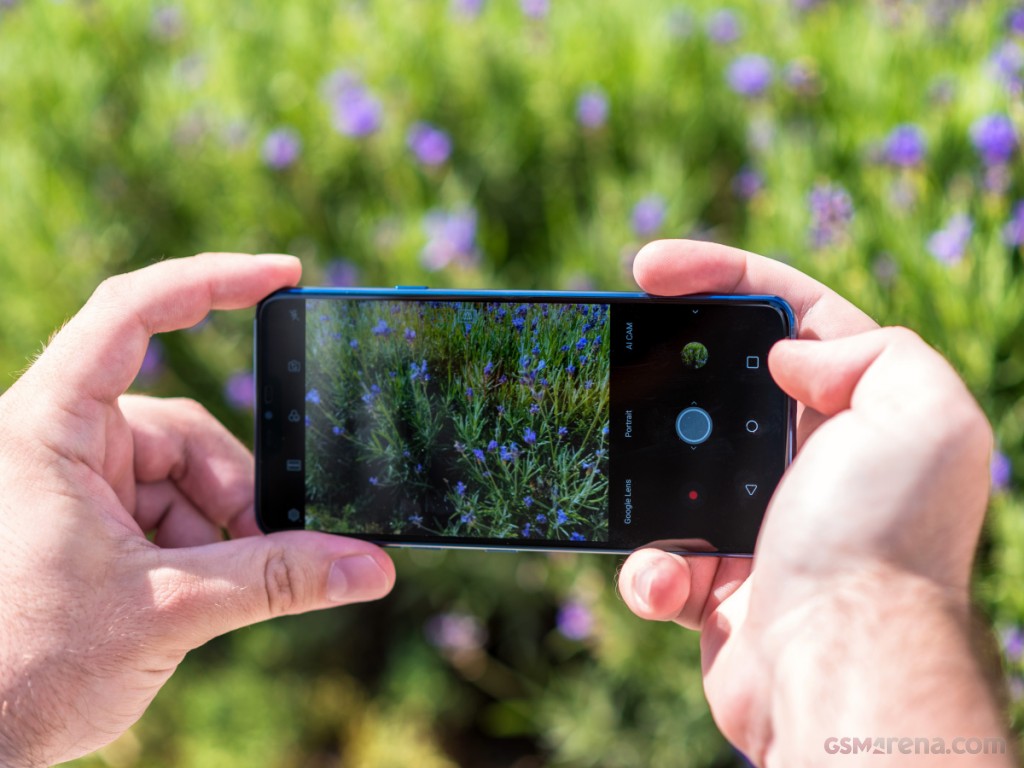
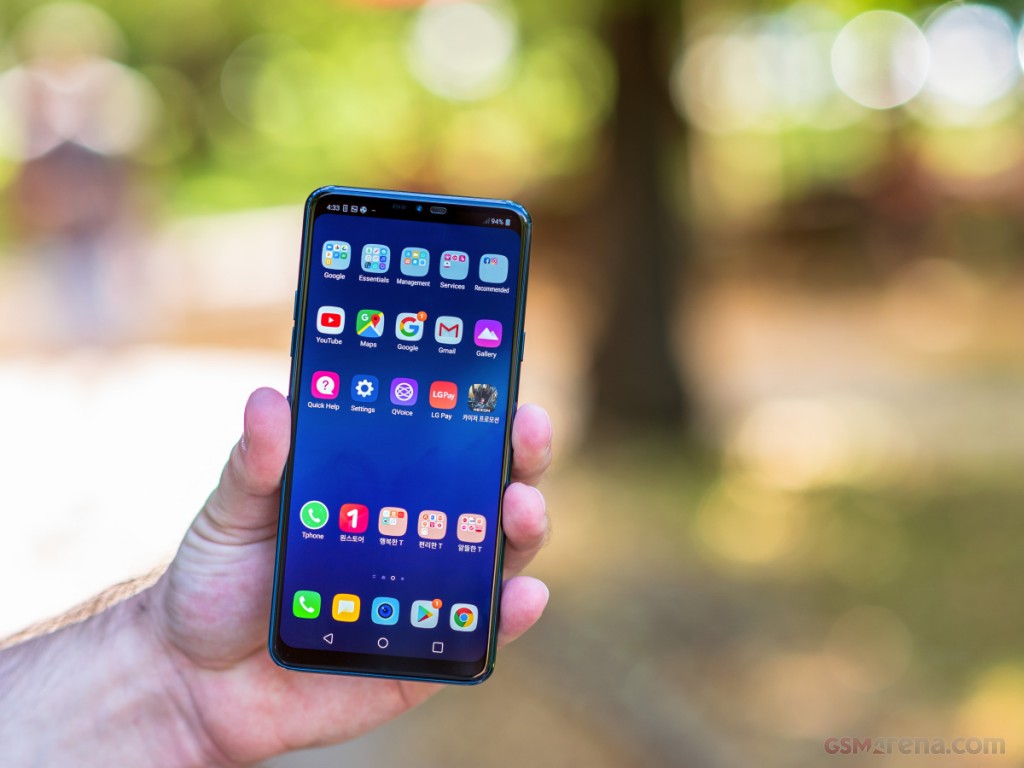
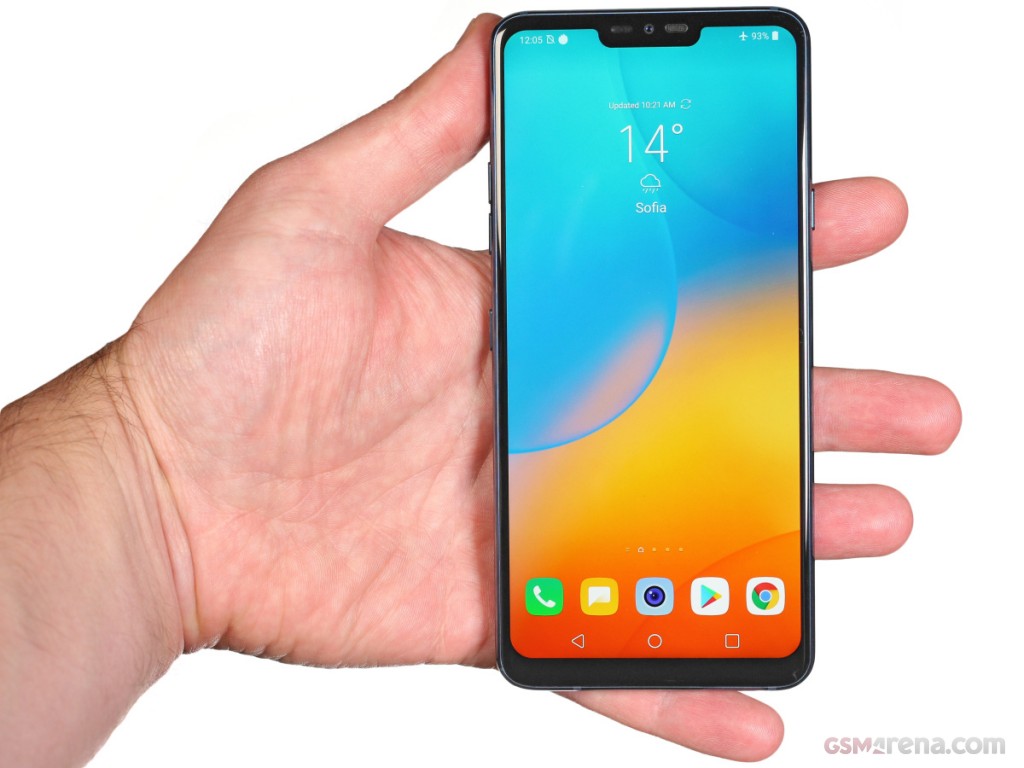
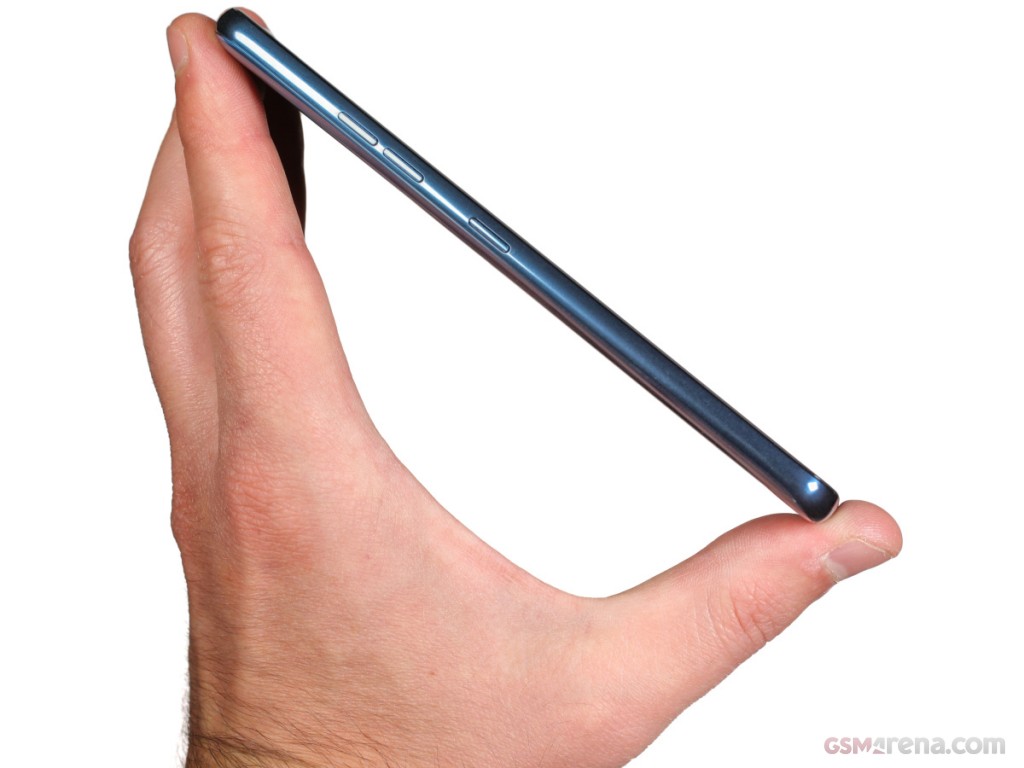
Full specifications
MIL-STD durability with IP68 water resistance
Hi-Res audio for higher-quality listening
Pro camera extras: RAW
Display
6.1″ · IPS LCD · 1440 × 3120 · 60 Hz · HDR
Basic
Display
6.1″ · IPS LCD · 1440 × 3120 · 60 Hz · HDR
Performance
Qualcomm SDM845 Snapdragon 845 (10 nm) · 8-core 2.8 GHz · Adreno 630
Basic CPU
Performance
Qualcomm SDM845 Snapdragon 845 (10 nm) · 8-core 2.8 GHz · Adreno 630Best for messaging, calls, and light browsing. Avoid heavy multitasking.
Camera
16 MP f/1.6 main · OIS · 8 MP selfie · 4K video
OIS + 4K
Camera
16 MP f/1.6 main · OIS · 8 MP selfie · 4K videoStabilised main camera holds up in low light. Front camera is fine for daylight selfies.
Battery
3000 mAh · 18 W wired
Plan to charge daily
Battery
3000 mAh · 18 W wired
Audio
Very good (-24.5 LUFS)
Audio
Very good (-24.5 LUFS)
Memory
4 GB RAM · 64 GB · expandable
Tight
Memory
4 GB RAM · 64 GB · expandable
Connectivity
4G LTE · NFC · Wi-Fi 5
Connectivity
4G LTE · NFC · Wi-Fi 5
Build & Design
162 g · 7.9 mm · IP68
Built to last
Build & Design
162 g · 7.9 mm · IP68
Sensors
Fingerprint (rear-mounted) · accelerometer · gyro · proximity
Sensors
Fingerprint (rear-mounted) · accelerometer · gyro · proximitySpecifications sourced from GSMArena · Read full review
Independent Test Scores
Lab-tested scores from DXOMark — independent measurements, not manufacturer claims. Tap any card to view photo samples and the full review.
Scores are on DXOMark's open-ended 0–200 scale. Higher is better.
How it stacks up against the rest.
Quick reads against a few phones in the same price tier. Tap any one for the deep comparison.
Apple iPhone XS
Where to buy
We don't have any listings for this phone yet. Try searching on Konga or Jiji.
Similar Phones
How each one compares to the LG G7 ThinQ.