Entry-level · 2017
BlackBerry Aurora
Our Take
CPU lands in today’s entry-level range
A basic entry-level phone — watch out for a smaller battery and an HD+ display.
Watch out
Smaller battery (3000mAh), HD+ display, not Full HD
Skip if
You watch a lot of video or play demanding games
Full specifications
Display
5.5″ · IPS LCD · 720 × 1280 · 60 Hz · HDR
Basic
Display
5.5″ · IPS LCD · 720 × 1280 · 60 Hz · HDR
Basic
Performance
Qualcomm MSM8917 Snapdragon 425 (28 nm) · 4-core 1.4 GHz · Adreno 308
Basic CPU
Performance
Qualcomm MSM8917 Snapdragon 425 (28 nm) · 4-core 1.4 GHz · Adreno 308
Basic CPU
Camera
13 MP main · 8 MP selfie
Camera
13 MP main · 8 MP selfieA standard camera setup — sharp in daylight, expect noise in low light.
Main camera
13 MP
Front camera
8 MP
Video
1080p @ 30 fps
Battery
3000 mAh
Plan to charge daily
Battery
3000 mAh
Plan to charge daily
Memory
4 GB RAM · 32 GB · expandable
Tight
Memory
4 GB RAM · 32 GB · expandable
Tight
Connectivity
4G LTE
Connectivity
4G LTE
Build & Design
178 g · 8.5 mm
Build & Design
178 g · 8.5 mmHeight
152.0 mm
Width
76.8 mm
Thickness
8.5 mm
Weight
178 g
Sensors
Accelerometer · proximity · compass
Sensors
Accelerometer · proximity · compassSensors
Accelerometer, proximity, compass
Specifications sourced from GSMArena
How it stacks up against the rest.
Quick reads against a few phones in the same price tier. Tap any one for the deep comparison.
vs
Apple iPhone X
Loses on most
5 losses
Lower-resolution screen
IPS LCD vs OLED panel · 720 × 1280 vs 1125 × 2436 resolution
Lower performance tier
Entry-level vs Mid-range tier
Less stable camera
No OIS vs OIS · 1080p @ 30 fps vs 4K @ 60 fps video
No NFC
No NFC vs NFC
Less protected
None vs IP67 protection
vs
Samsung Galaxy S8
Loses on most
5 losses
Lower-resolution screen
IPS LCD vs Super AMOLED panel · 720 × 1280 vs 1440 × 2960 resolution
Less stable camera
No OIS vs OIS · 1080p @ 30 fps vs 4K @ 30 fps video
No NFC
No NFC vs NFC
Less protected
None vs IP68 protection · 178 g vs 155 g
Starts with less storage
32 GB vs 64 GB baseline
Where to buy
We don't have any listings for this phone yet. Try searching on Konga or Jiji.
Similar Phones
How each one compares to the BlackBerry Aurora.
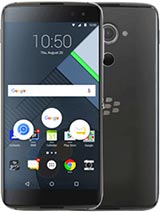
Entry-level
BlackBerry DTEK60
AMOLED screen · Faster charging
4GB
32GB
3000mAh
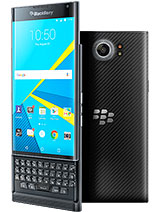
Entry-level
BlackBerry Priv
Older (2015) · AMOLED screen
3GB
32GB
3410mAh
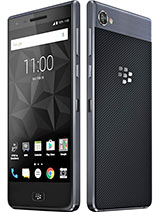
Entry-level
BlackBerry Motion
Bigger battery · Faster charging
4GB
32GB
4000mAh
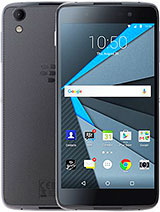
Entry-level
BlackBerry DTEK50
Faster charging · NFC included
3GB
16GB
2610mAh